By Dr Subhash Soren, Additional Professor, RINPAS, Ranchi
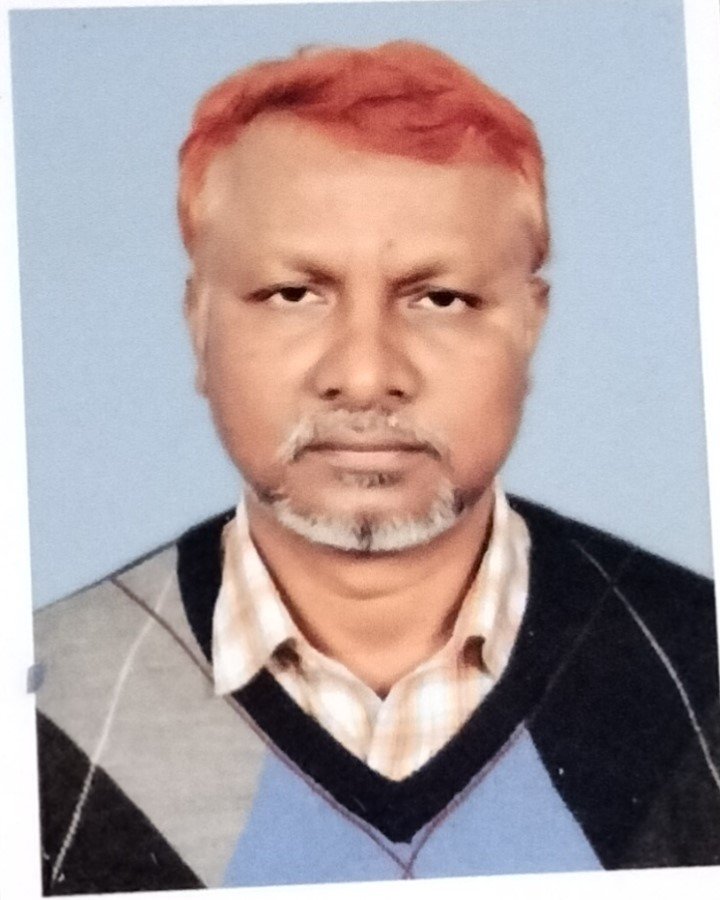
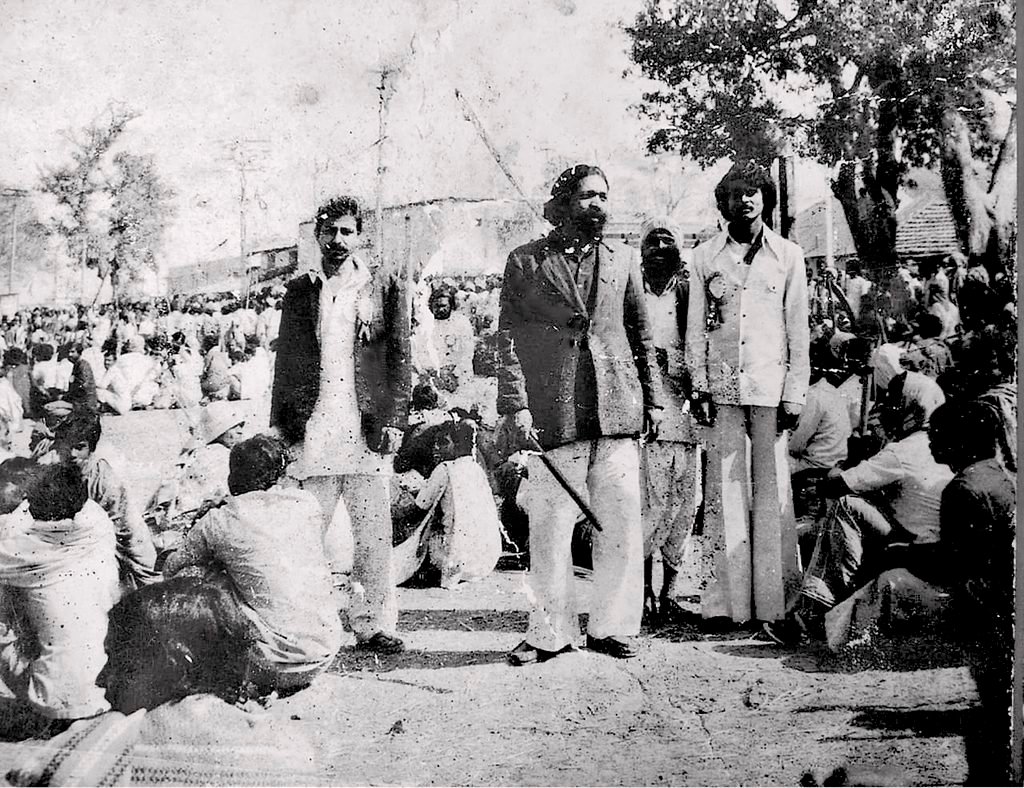
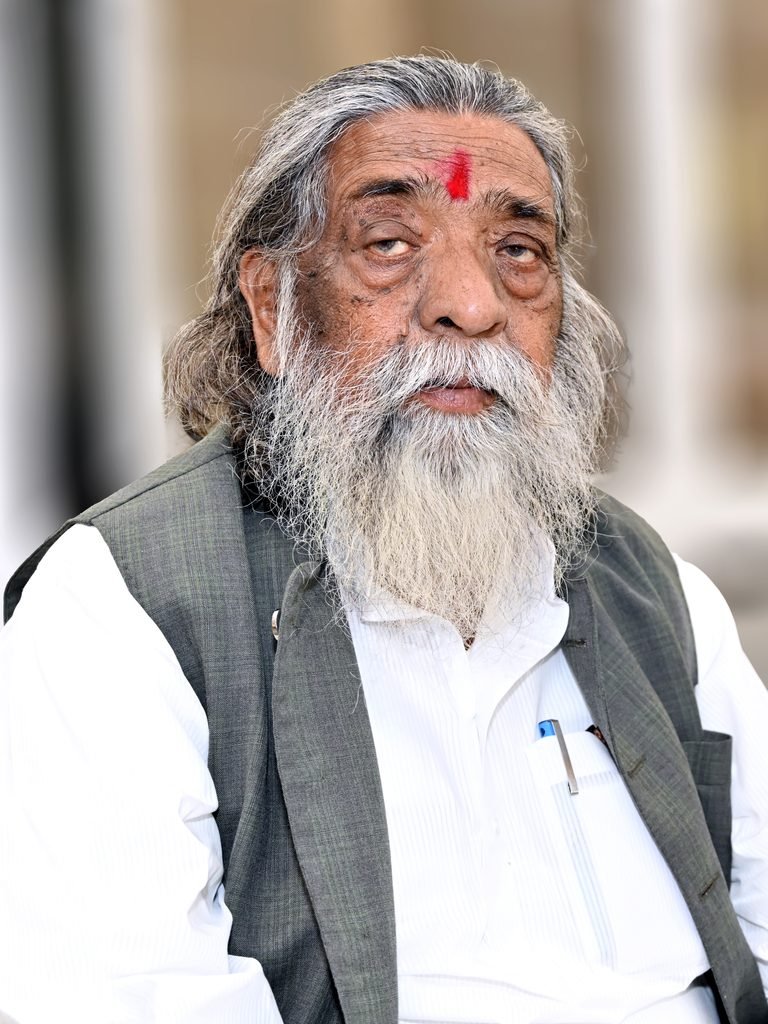
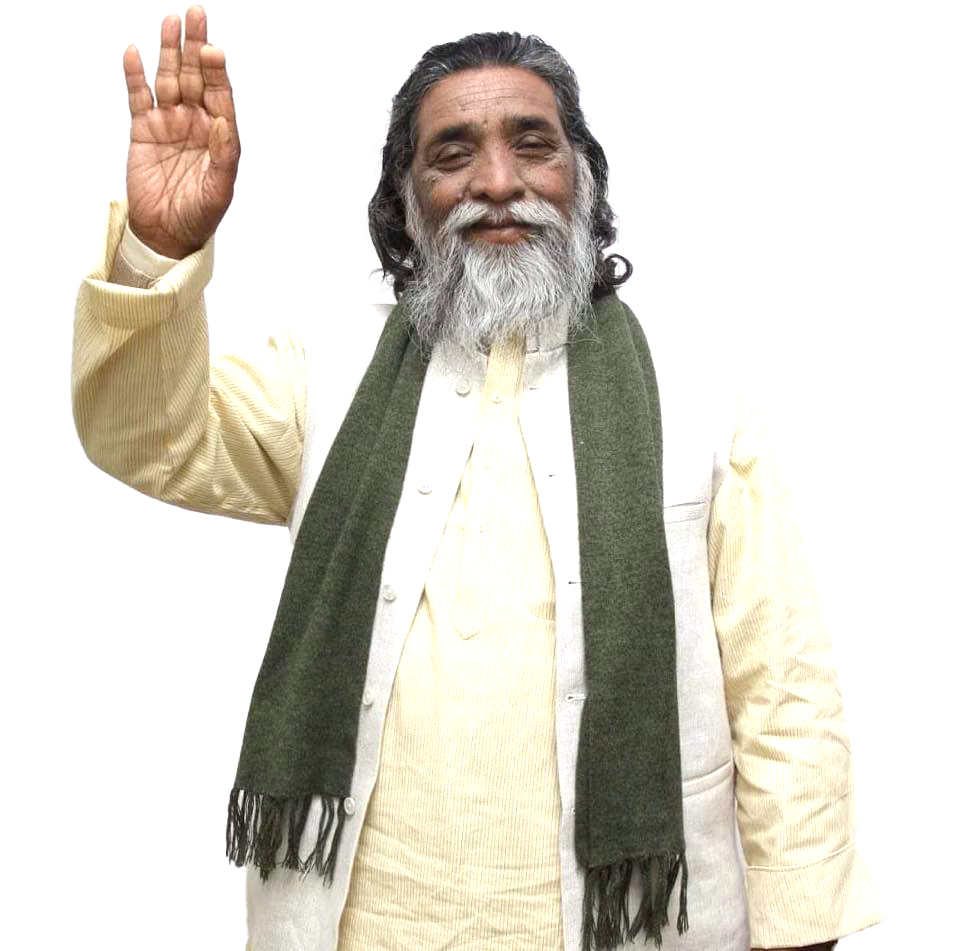
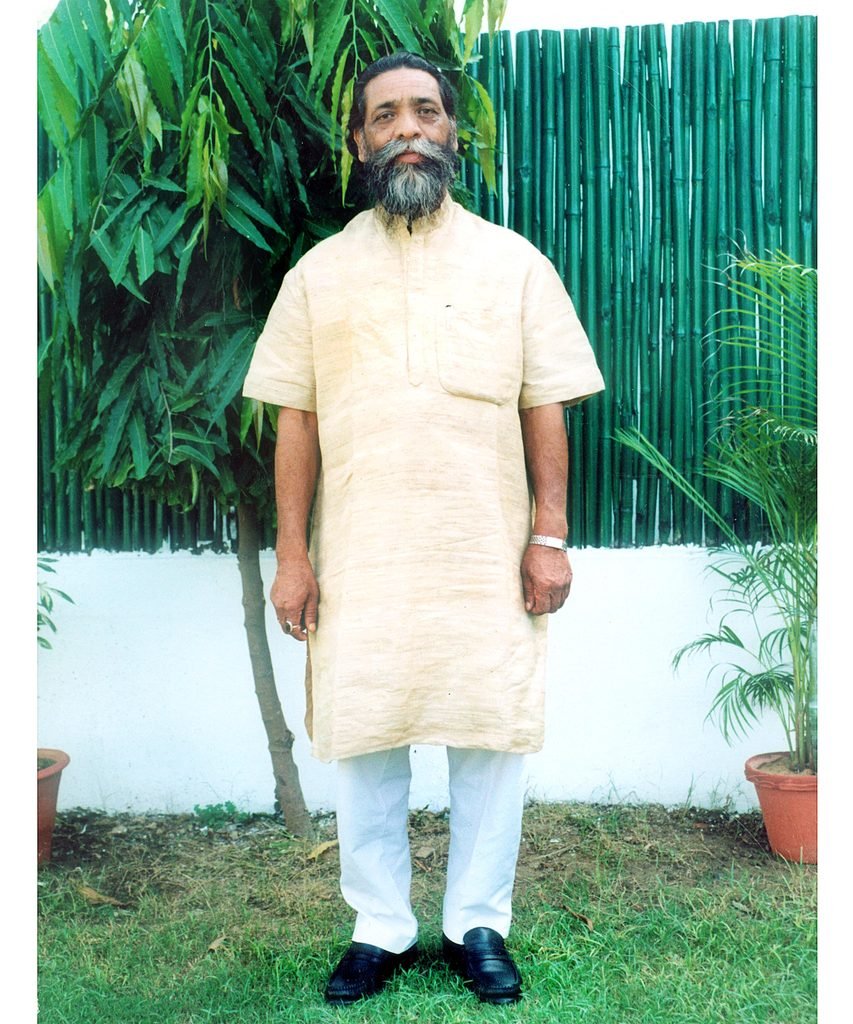
In the quiet village of Nemra, Gola, Ramgarh, a boy named Shibu Soren was born on January 11, 1944. His father, Shiv Charan Soren, was murdered by landlords and moneylenders when Shibu was barely thirteen. That tragedy forced him to leave school, but it also became the spark that ignited one of the most remarkable journeys in Jharkhand’s social history — a journey from grief to leadership, from rebellion to reverence, and from Shibu Soren to Dishom Guru.
Breaking Through Barriers
In the late 1950s, tribal society was bound by its own customary courts — Kulhi Durup, Monde Manjhi, Deshmanjhi Baisi, and others — where disputes were settled within villages. These systems preserved harmony but rarely challenged injustice. Tribals were hesitant to speak against oppression, often avoiding conflict with non‑tribal communities.
Shibu Soren saw the flaw in this silence. He realized that the existing courts could not address inter‑community exploitation or the violence of moneylenders. His response was revolutionary: he created a new kind of “court” where he himself became the judge, and his verdicts carried moral authority. His intelligence lay not in formal education but in emotional insight — the ability to sense what his people needed most: courage.
He understood that the tribals’ submissiveness stemmed from isolation — linguistic, cultural, and administrative. They spoke only their mother tongue, were unaware of legal rights, and could not reach government offices. Soren bridged this gap through sheer willpower and social brilliance. He transformed personal pain into collective purpose, channeling anger into activism.
The Making of a Leader
At 13, he began holding meetings in nearby villages, educating people about their rights.
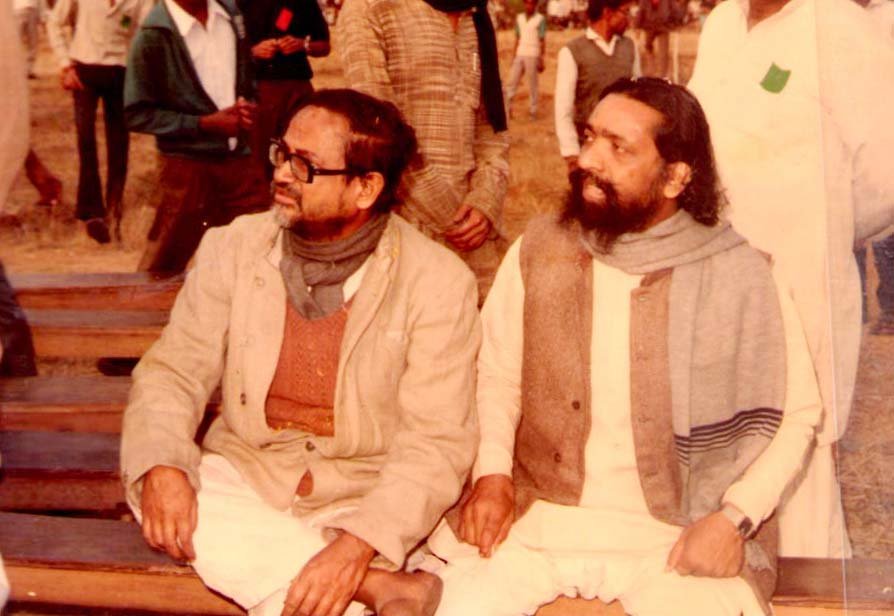
His contact with A.K. Roy, the Marxist leader from Dhanbad, sharpened his understanding of socialism and justice. Together, they formulated nineteen‑point programmes — movements against oppression, alcoholism, and illiteracy. Soren even founded a school at Pokhuria, Tundi, where he trained villagers to think critically and act collectively.
His leadership was not born of privilege but of fluid intelligence — the ability to reason and solve problems in novel situations. Despite limited formal education, he developed crystallized intelligence through experience and mentorship, mastering language, negotiation, and social organization.
The Genetic and Emotional Foundation
Let us trace Soren’s brilliance back to his parents. His father, Sobran Soren, was a disciplined socialist who abstained from alcohol, and his mother, Sona Hembrom, was devout and hardworking. Their harmonious relationship and healthy lifestyle, the author argues, contributed to Shibu’s robust genetic and emotional foundation.
Scientific studies — from sperm chromatin integrity to prenatal stress — suggest that disciplined living and emotional stability can influence cognitive development. In Soren’s case, his parents’ virtues may have shaped a resilient nervous system and a balanced temperament.
Intelligence in Action
Soren’s life offers vivid examples of intelligence under pressure. During the Chirudih incident of 1975, when violence erupted and his life was in danger, he made a split‑second decision that saved him. His quick reaction, short‑term memory, and fast decision‑making reflected the neurological agility described in modern psychology — the interplay of the amygdala, prefrontal cortex, and limbic circuits that govern decisions under risk. Such moments reveal that intelligence is not merely academic; it is survival instinct refined by experience.
Nature, Nurture, and the Indian Context
There is a contrast genetic determinism with environmental influence in Dishom Guru’s life. While researchers like Jensen and Herrnstein emphasized heredity, others — notably Flynn and Sternberg — highlighted the role of education, nutrition, and social stimulation. The Flynn Effect, showing rising IQ scores across generations, supports the idea that intelligence can be enhanced through better living conditions.
In India, social stratification through caste and class has historically limited access to education and opportunity. Soren’s story defies that pattern. His intelligence evolved not through privilege but through exposure — through dialogue, struggle, and empathy.
The Power of Social Intelligence
Perhaps the most striking aspect of Soren’s journey is his social intelligence. He possessed what psychologists call “gut empathy” — the ability to feel others’ pain intuitively. His followers mirrored his emotions: when he was angry, they were fierce; when he laughed, they relaxed. This emotional synchrony made him a charismatic leader.
Neuroscience explains such empathy through mirror neurons in the inferior frontal and parietal regions, which allow humans to reflect others’ emotions. Soren’s ability to synchronize collective feeling turned his movement into a moral force. He could transform anger into solidarity, despair into determination.
Guruji also understood cultural norms deeply. When faced with disagreement, he used self‑representation and empathy to calm tempers and redirect energy toward social goals. This is the essence of Goleman’s emotional intelligence — primal empathy, active listening, and social awareness — all of which Soren embodied instinctively.
The Ripple Effect
Soren’s movement against moneylenders and landlords was not just political; it was psychological. It awakened tribal consciousness. His followers began to speak, sing, and act against exploitation. Songs about him spread across villages, and his name became synonymous with justice.
He taught socialism not as ideology but as liberation — equality, dignity, and mutual respect. The formation of Jharkhand state was only one outcome; the deeper legacy was the transformation of tribal thought.
Though he could not eradicate addiction entirely, his campaign against substance abuse reflected his belief that discipline preserves intelligence. He saw addiction as a greater enemy than oppression — a self‑inflicted wound that dulls awareness and weakens resistance.
Lessons for Today
To conclude with a powerful reflection: intelligence is not the privilege of a few but the potential of all. What distinguishes leaders like Shibu Soren is how they use it — not for personal gain but for collective uplift. His life teaches that emotional regulation, discipline, and social empathy are as vital as academic learning. Intelligence, when guided by moral purpose, becomes a tool for transformation.
In an era where communities still struggle with inequality and alienation, Soren’s journey reminds us that true leadership begins with understanding — the ability to listen, to feel, and to act with conviction.
From the boy who lost his father to the man who became Dishom Guru, Shibu Soren’s story is not just about survival. It is about the triumph of intelligence — the kind that unites reason with compassion, and turns pain into progress.