
Testing the Marriage Before the Wedding
Fourth in a series on marriage, tradition, and the lives we need to build together.
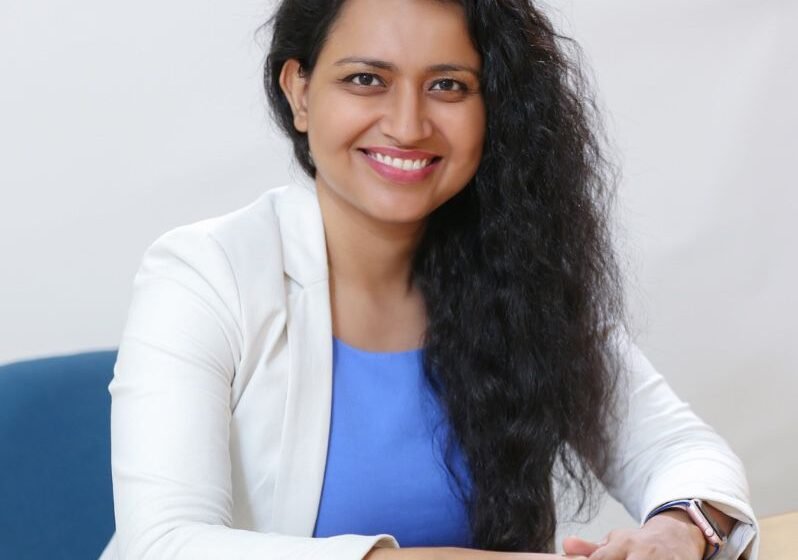
By Nivedita Pandey
We have inherited detailed Saptapadi vows. We have built no practice for living them. Two people making the most consequential decision of their lives deserve more than blessings, a horoscope match, and gifts.
The Catholic Church requires couples to complete structured marriage preparation called Pre-Cana before a wedding can take place. This involves multiple sessions taught by trained clergy, supplemented by married couples who speak from lived experience. The model works because it is embedded in an institution people already trust.
The temple is that institution for millions of Hindu families. Here’s what this could look like:
First, a structured series of 4-5 sessions conducted over a month, with self-reflection exercises and honest conversations facilitated between the couple. Couples should be guided through the difficult conversations that often become fault lines in a marriage.
Second, the people delivering it must be trained and certified, not self-appointed. The curriculum must be grounded in scriptural knowledge and practical relational wisdom, developed by religious scholars with genuine gender representation, and delivered by people assessed against it. This will prevent well-meaning but biased individuals injecting their own prejudices into vulnerable moments.
Elders learned in the tradition – retired, rooted in their communities, respected by families – can be trained for this role. Their lived experience of building a household adds what no certification alone can provide: wisdom that has been tested by time.
Third – my most radical suggestion – the outcome must be genuinely open. This preparation is not to make people compulsorily marry. If, after several sessions of genuine reflection, a couple concludes they are incompatible, want fundamentally different things, or are marrying for the wrong reasons – that is not failure. That is the programme working exactly as it should. This is what honest testing actually means – entering preparation without a predetermined outcome. A society that pushes people into marriage without preparation, and traps them inside it without recourse, should be able to accept this: informed non-marriage is a better outcome than uninformed marriage.
Before institutions act, families can. Indian families negotiate jewellery, gifts, and menus over months. The two people getting married are rarely asked: Have you discussed what happens when one of you loses income? How will you handle conflict with in-laws? What does respect look like in your home when you are angry? Families need to be prepared too – on how to create comfort for the new entrant, how to handle mismatch in expectations and values, and when to adjust vs. when to escalate. These are the questions the Saptapadi was already asking.
At the individual level, each of us entering marriage must sit with a harder question than Is this the right person? The harder question is: Am I the right person?
Can I handle conflict without turning abusive? Can I take responsibility when I am wrong? Can I respect someone’s dignity even when I am hurt? Can I grow and contribute to the other person’s growth?
It is time our institutions made honest reflection central to how we prepare for marriage. We already know what uninformed marriage costs – we have watched it and endured it. What we have never built is something to prevent it. If the vows we recite are sacred, preparing ourselves to live them must be treated as sacred work.
Nivedita Pandey is an AI and Digital Innovation Leader working at the intersection of technology, governance, and social impact. Raised across Bihar and Jharkhand, she is a Wharton MBA alumna and has worked across USA, UK, Singapore, and India. She can be reached at NiveditaPandey@alumni.upenn.edu