
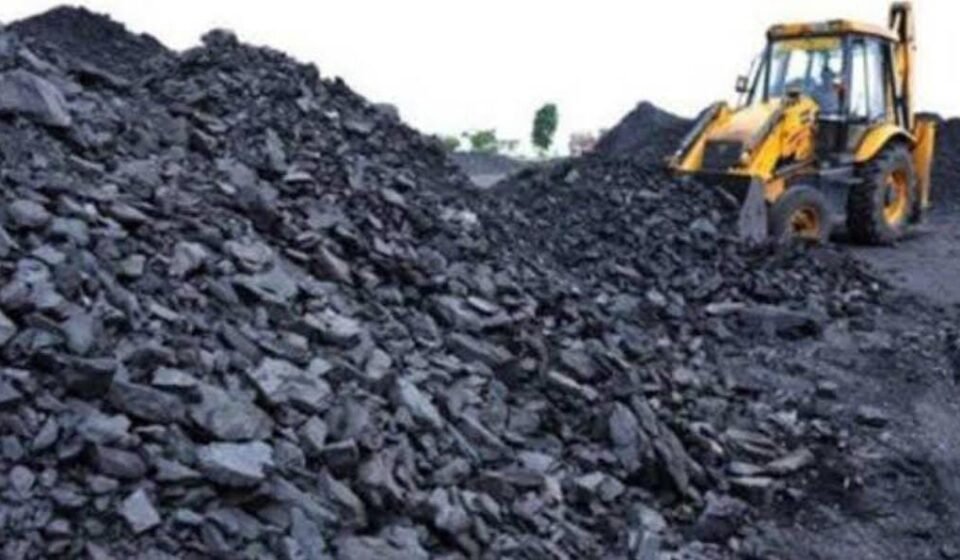
Series of fatalities exposes menace of illegal coal mining in State
Surendra Soren
Ranchi
A string of deaths in recent weeks has once again brought the spotlight on the thriving illegal coal mining network in Jharkhand, where unsafe operations continue to claim lives while sustaining a parallel economy.
The latest tragedy occurred in Barkagaon in Hazaribagh district, where a labourer was killed and two others injured after the collapse of an alleged illegal coal mine near Rautpara. Reports of attempts to suppress the incident have further heightened concerns. Residents allege that organized coal theft and smuggling have been continuing in the area for years.
Such tragedies are not isolated. In recent years, multiple accidents have claimed lives across Hazaribagh, Ramgarh, and Dhanbad. Just days before the Barkagaon incident, four youths died due to oxygen depletion in an illegal tunnel in Ramgarh’s Argadda area. Earlier, three workers died in Bariatu-Khawa after water flooded an illegal mine. Similar incidents in Nirsa (2022), Tetulmari and Bhowra (2023), and Kuju (2025) underline a recurring pattern of unsafe and unregulated mining practices.
Despite repeated crackdowns, illegal mining persists. Authorities have conducted raids, sealed dozens of illegal mines, and seized large quantities of coal in recent years. Yet, the problem remains widespread. A 2022 report noted over 50 FIRs related to illegal mining within just six months, indicating the scale of the issue.
Experts attribute the persistence of illegal mining to multiple factors. Jharkhand’s vast coal reserves and steady demand from small industries and local markets make it highly profitable. Inadequate monitoring of abandoned mines provides easy access for illegal operators. Additionally, rural unemployment forces many economically vulnerable individuals to risk their lives for minimal wages.
Beyond safety concerns, illegal mining results in significant revenue losses for the state. Legal mining contributes through royalties, taxes, and district mineral funds, whereas illegally extracted coal bypasses all regulatory channels, strengthening underground networks.
The situation reflects a deeper structural challenge. Without addressing the entire chain—from extraction and transportation to sale—sporadic enforcement measures are unlikely to succeed. Jharkhand now faces a pressing question: whether to continue reacting to tragedies or take decisive action to dismantle the illegal mining network.