
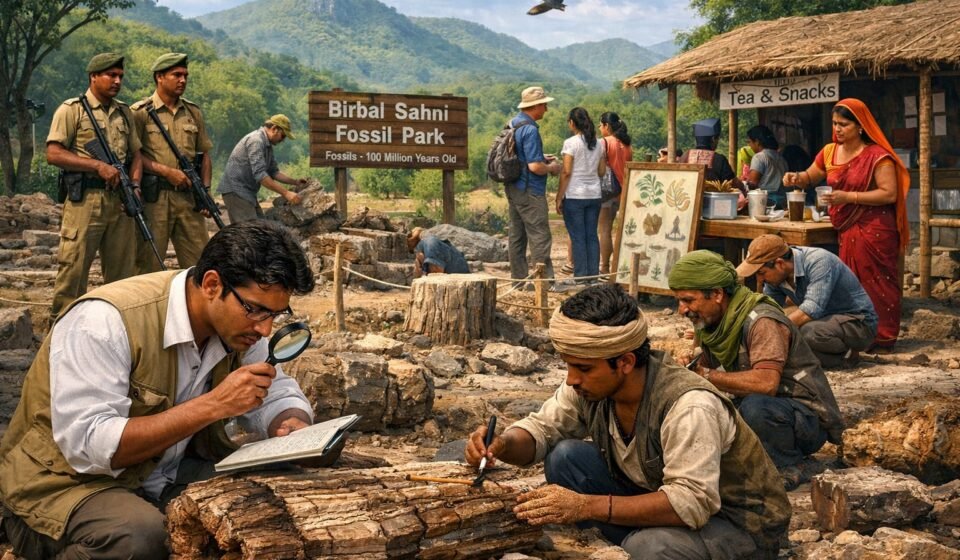
All in the name of developing a fossil park: The approach road built out of crushed fossils instead of gravel!
Down Memory Lane – III
By Gautam Sarkar
Covering the vast Santhal Parganas was never easy for a lone reporter. Daily routine reporting was impractical, but I constantly searched for special stories. One such lead became a defining chapter of my career.
I reconnected with an old acquaintance, Prabir Roy (fondly called Nimai-da), then a postgraduate student of Botany at Bhagalpur University. He had begun volunteering at the Birbal Sahni Fossil Park in Mandro Block, Godda district. His mission was urgent: years of neglect had left priceless fossilized trees—dating back millions of years—exposed and vulnerable. Smugglers had moved in, and the indigenous Paharia villagers lived in fear as fossils vanished under cover of darkness.
On a holiday, I travelled to the park. What I found was shocking: no boundary wall, no fencing, fossils scattered like ordinary stones, overgrown trees and bushes swallowing the site. Only through Nimai-da’s patient explanations did I grasp the scientific importance of these petrified specimens—irreplaceable records of Earth’s prehistoric past.
My feature on the park’s plight drew wide appreciation. Later, in 2008–09, while working with The Telegraph, I reported on a government initiative to revamp the park. But the project committed a grave blunder: fossil-bearing rocks were crushed and used to build the approach road. The revelation caused an uproar, forcing authorities in Ranchi to intervene.
Years later, I revisited the park. To my surprise, it had transformed: security guards at the gate, visitors checked, and facilities like tea stalls run by villagers’ families. Even more astonishing, the guards were the same Paharia men who once drunkenly demanded money from Nimai-da. Now, they stood at attention when his name was mentioned. Their wives proudly ran small shops, offering tourists water and snacks. A young woman, Tuniya, told me how they had learned to protect their heritage while earning a dignified livelihood. All credited Nimai-da’s vision for changing their lives.
The fossils still endure, silent witnesses to a prehistoric world. But now, they are guarded not only by stone and time, but by a community that has found purpose in preservation.
(to be concluded…)
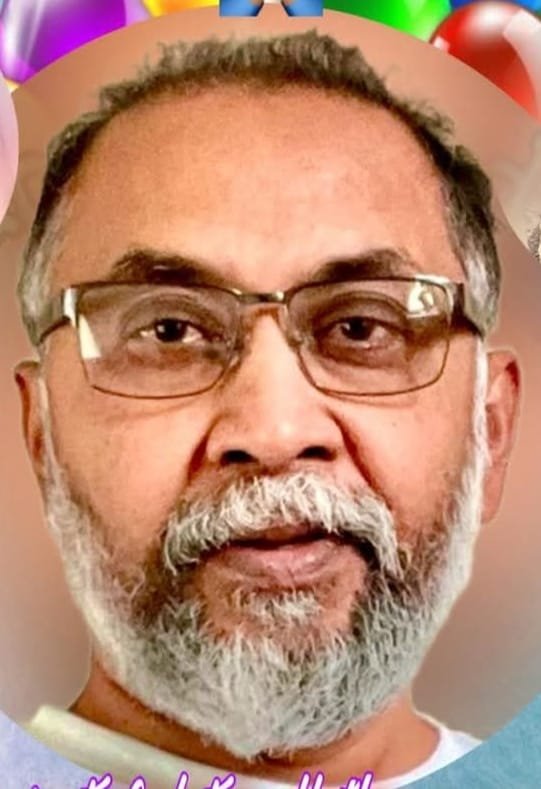
Probir Roy
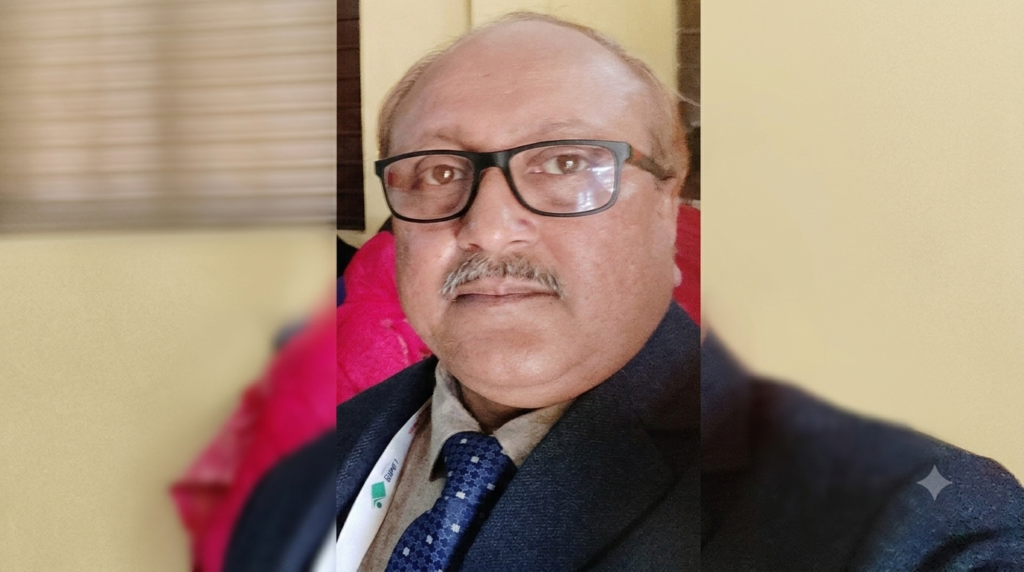
Gautam Sarkar