KUMAR PRABHAT
DUMKA
In a major push toward revamping the public healthcare ecosystem, Deputy Commissioner Abhijeet Sinha conducted a comprehensive inspection of the Phulo Jhano Medical College Hospital on Friday. During his extensive visit, the DC meticulously evaluated the quality of medical services, infrastructure, and overall administrative arrangements, leaving clear directives to ensure that state-of-the-art healthcare is delivered seamlessly to the common masses.
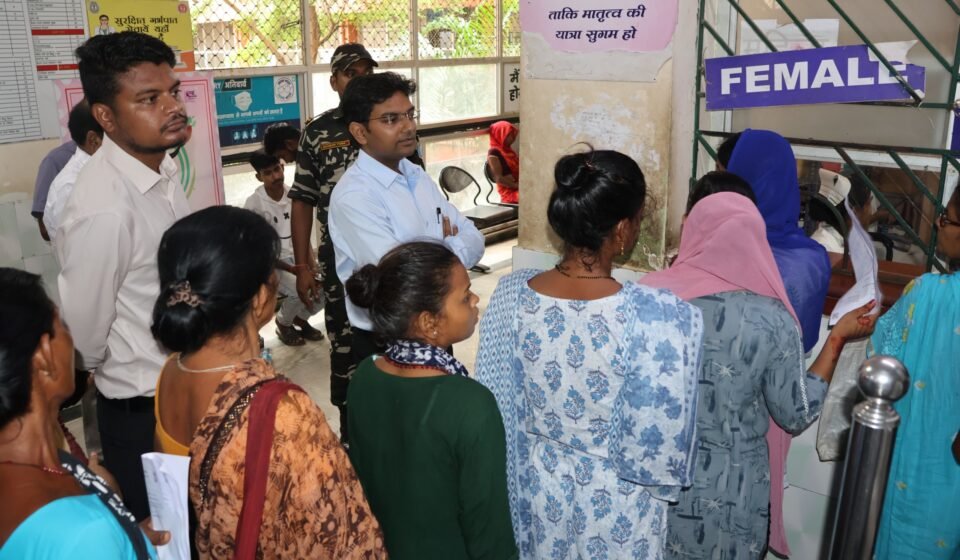
Walking through the various wards of the premier healthcare facility, DC Sinha directly interacted with the admitted patients and their attendants to gather first-hand feedback regarding the availability of medicines, the conduct of the medical staff, and any structural grievances they might be facing. While assessing the newly established health kiosks in the hospital complex, the DC ordered the administration to keep all information regularly updated. He emphasized that complete details regarding the roster of doctors, availability of essential medicines, and diagnostic facilities must be digitally consolidated so that patients do not have to wander aimlessly across corridors for basic inquiries.
Taking a strict stance on the management of essential supplies, the Deputy Commissioner directed the hospital management to maintain an uninterrupted buffer stock of life-saving medicines. He noted that regular inventory reviews must be carried out, and new orders should be processed well before any drug runs out, ensuring that underprivileged patients are never forced to purchase medicines from external private pharmacies. To foster transparency, Sinha made it mandatory for the hospital to boldly display the duty rosters of doctors outside every ward, giving patients absolute clarity on which specialist is available at any given hour.
Security and hygiene also came under the administrative scanner. Reviewing the deployment of Home Guard personnel stationed outside the sensitive wards, the DC warned that any laxity or unauthorized absence from duty would invite immediate disciplinary action. Turning his attention to sanitation, he inspected the drinking water stations and issued a stern warning to the private cleanliness agencies, stating that any compromise on hygiene would result in the immediate withholding of their contractual payments.
Critical care infrastructure was scrutinized closely during the visit. While the dialysis unit was found to be fully functional, the DC expressed dissatisfaction upon learning about a malfunctioning air conditioning unit in the Intensive Care Unit (ICU) and ordered its immediate repair. Responding on the spot to complaints from patients regarding the lack of adequate cooling in certain wards, he instructed the engineers to install additional ceiling fans without delay.