
How Instagram Has Changed the Way We Eat
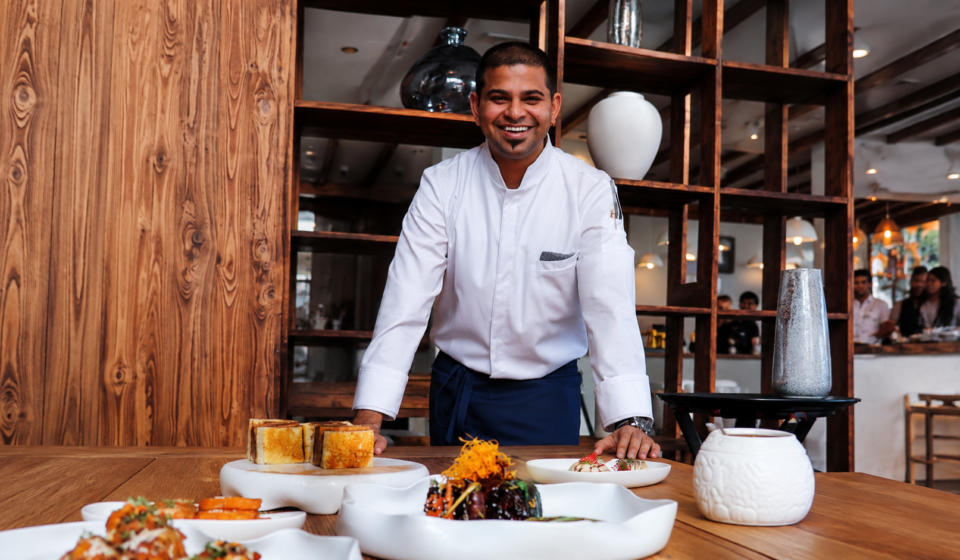
By Chef Ashutosh Tiwari
Have you ever noticed what happens the moment a beautifully plated dish arrives at a restaurant table?
Before the first bite is taken, phones come out. Angles are adjusted. Lighting is checked. A few seconds later, the dish is on Instagram often before it has even been tasted.
It makes me wonder: Are we eating food, or are we consuming content?
As a chef, I find this fascinating. Food has always been a feast for the senses. We eat with our eyes first, but today, it seems we eat with our phone’s camera before anything else. Instagram has transformed not only how restaurants present food but also how diners choose, experience and even remember a meal.
There’s no denying the positive side of this digital revolution. A small café in a quiet neighbourhood can suddenly become a city favourite because someone shared a compelling photograph. A young chef can showcase creativity without waiting for television or food critics to notice. Regional cuisines that once remained hidden are now reaching audiences across the globe with a single post.
In many ways, Instagram has democratised the food industry.
But every coin has two sides.
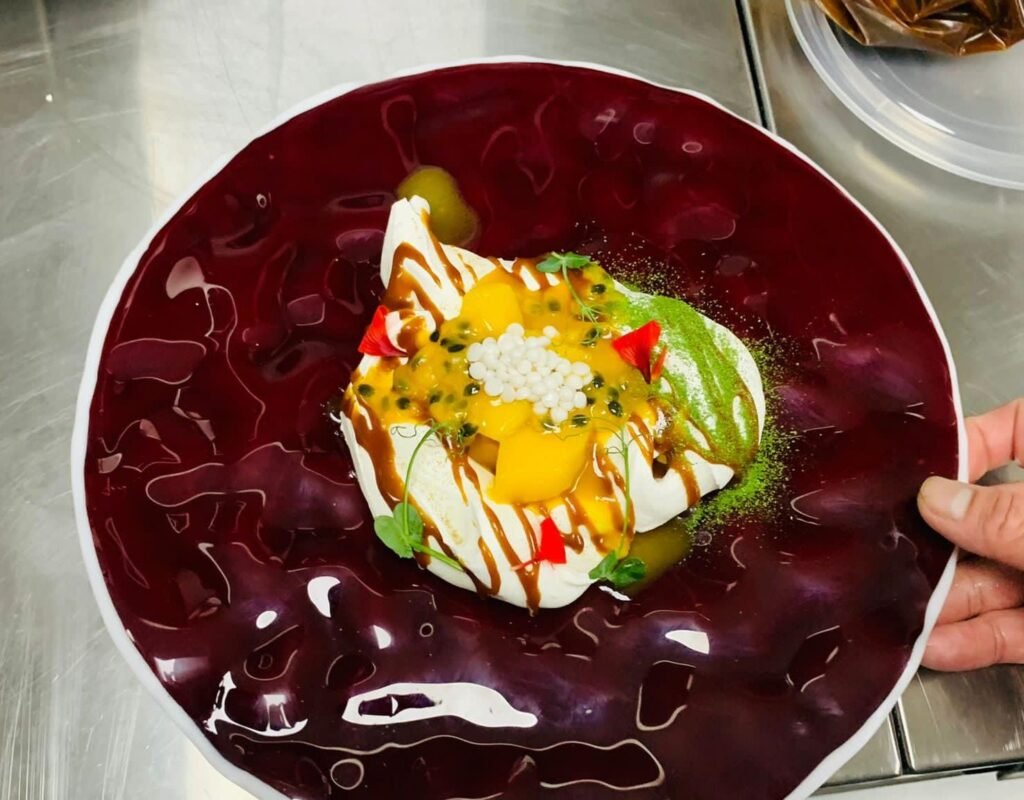
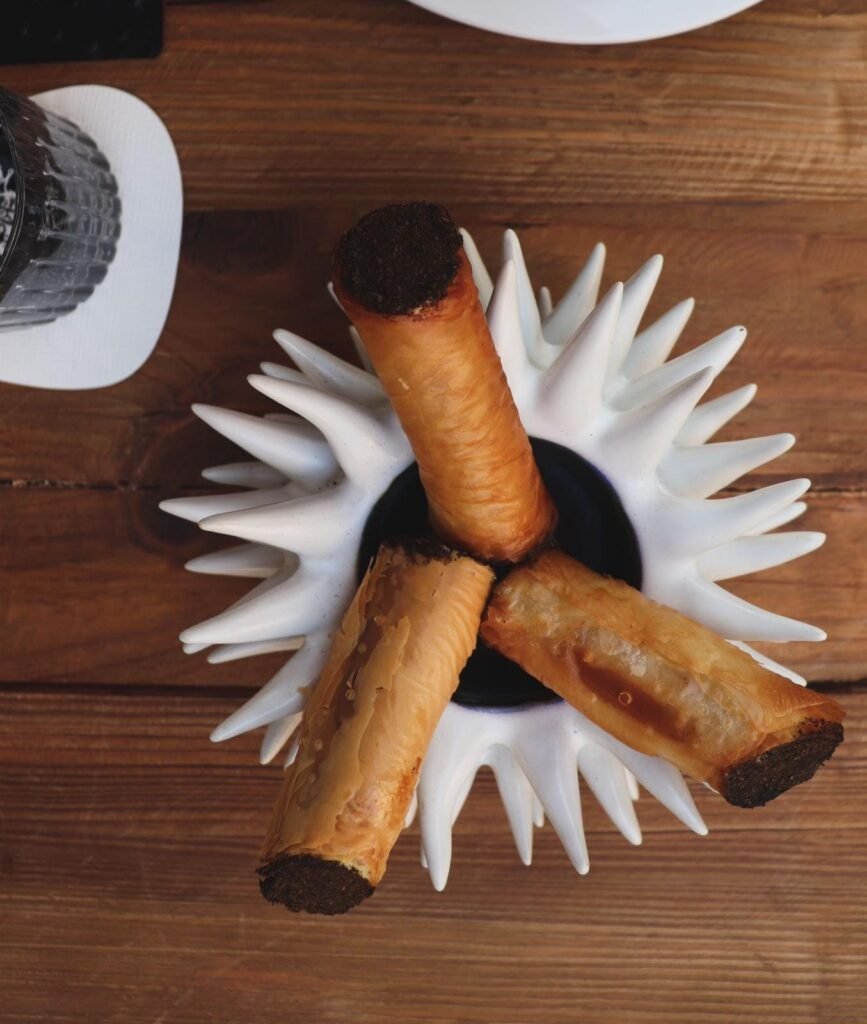
Increasingly, I see restaurants designing dishes that are made to be photographed rather than enjoyed. Towering burgers that are difficult to eat, desserts covered in unnecessary glitter, oversized milkshakes, smoke effects and dramatic presentations often generate thousands of views online. The question is do they create lasting memories, or are they simply designed for a few seconds on someone’s feed?
As chefs, we face a dilemma. Should we cook for the palate or for the camera?
Ideally, both should work together. Presentation has always mattered. It reflects care, creativity and craftsmanship. But presentation should never overshadow flavour. A perfectly cooked meal with honest ingredients will always leave a stronger impression than a visually stunning dish that disappoints after the first bite.
Instagram has also changed the way customers discover restaurants. Earlier, people relied on recommendations from friends or newspaper reviews. Today, a viral reel can create overnight success. While this has opened exciting opportunities, it has also increased pressure on restaurants to constantly chase trends instead of building a consistent identity.
We’ve all seen foods become overnight sensations rainbow desserts, charcoal ice cream, cheese-pull videos and oversized croissants. Many attract long queues initially, only to disappear a few months later. Trends come and go, but genuine quality continues to build loyal customers.
Perhaps the biggest change is in our own dining behaviour. We often judge a restaurant before visiting it, scroll through pictures before reading the menu and sometimes choose a place simply because it “looks Instagram-worthy.” Somewhere along the way, we may have forgotten that food is meant to be shared around a table, not just on a screen.
I’m not against social media. In fact, it has given chefs, entrepreneurs and local food businesses incredible visibility. It has encouraged innovation, storytelling and healthy competition. But I believe it should remain a tool not the purpose of dining itself.
The next time a beautifully presented dish arrives at your table, take the photograph if you wish. Share it with your friends. But then, put the phone aside. Enjoy the aroma. Notice the texture. Savour the flavours. Have a conversation with the people sitting across from you.
Because long after the likes have stopped coming, what truly stays with us is not the picture we posted but the meal we experienced.