Surendra Soren
Ranchi
The Jharkhand government has not furnished utilisation certificates for expenditure amounting to Rs 1.60 lakh crore incurred between the formation of the State and March 31, 2025, raising concerns over the utilisation of public funds, according to the financial report tabled during the ongoing Assembly monsoon session.
As per financial rules, departments are required to submit utilisation certificates for funds spent during a financial year. However, the report noted that certificates for the Rs 1.60 lakh crore expenditure remain pending.
The government has also not submitted detailed accounts for Rs 4,531 crore withdrawn as advances through AC bills up to March 31, 2025. Under the rules, departments are required to submit detailed contingency (DC) bills against such advances before seeking further withdrawals.
The report said Jharkhand’s GSDP grew by 10.87 per cent in 2024-25 compared with 2023-24. The State contributed 1.56 per cent to India’s GDP during the year, broadly in line with its contribution over the previous five years. State revenue increased by 7.46 per cent during the period.
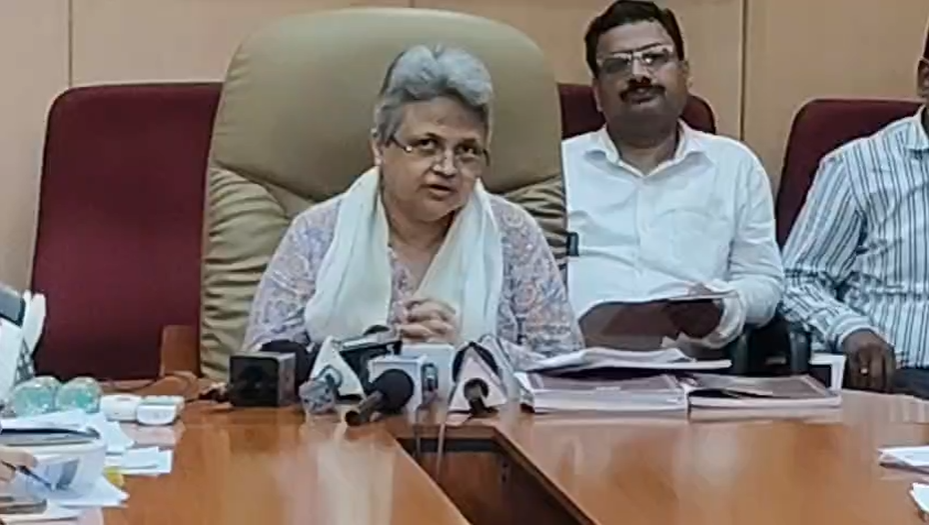
Principal Accountant General (Audit) Indu Agrawal on Tuesday also presented findings from sample audits covering the Transport Department, Excise and Prohibition Department, MGNREGA, Jal Jeevan Mission, Pradhan Mantri Awas Yojana-Gramin and revenue-related matters across six districts.
The audit of PMAY-G found that social audits were not conducted in several districts between 2022 and 2024, limiting the identification and resolution of irregularities and beneficiary-related problems.
The MGNREGA audit pointed to gaps in surveys, differences between estimated and actual person-days, and deficiencies in issuing and updating job cards. Only 27 per cent of the works proposed between 2019 and 2024 were completed, while 49 per cent remained incomplete as of March 2024. Irregularities were also found in the maintenance of muster rolls and application controls.
The Jal Jeevan Mission audit found low utilisation of sanctioned funds. Of nearly 98,000 sanctioned schemes, only 27,249—around 28 per cent—had been completed. Sample checks also found that several households were not receiving assured supplies of safe drinking water, despite this being a key objective of the programme.