
Too Soon? Why Fast-Tracking Talent Can Backfire
By Abhishek Kumar
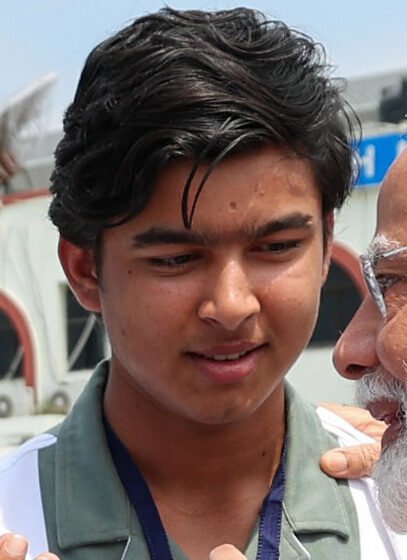
The T20I series against England was meant to be a celebration — a young prodigy, Vaibhav Sooryavanshi, breaking records and earning the India cap.
The applause was deserved. But beyond the sentiment lies a harder question: has the spotlight arrived too soon for Sooryavanshi?
International cricket is not just about talent. It demands temperament, match awareness, and the ability to absorb pressure over sustained periods.
Against a side like England, every ball is magnified. For a youngster still learning the domestic grind, the leap can be daunting.
2nd T20I: In his debut, Sooryavanshi scored 14 off 10 balls before being stumped by Jos Buttler off Will Jacks. His cameo included two massive sixes off Jofra Archer and Josh Tongue.
3rd T20I: He struck 13 off 5 balls before being caught behind by Jos Buttler off Jofra Archer, still adjusting to the pace and pressure of international cricket.
Also visible were signs of inexperience — hurried footwork, rushed shot selection, and the absence of battle-tested composure in back-to-back games at the highest level.
The issue is not ability, but process. Domestic cricket, A-tours, and franchise leagues exist to season players before the world watches every move. Skipping those steps risks turning development into judgment.
Two contrasting outings get amplified. Confidence can take a hit. And the narrative shifts unfairly from potential to failure.
Selectors face a dilemma: fans crave instant heroes, but the system is built to nurture match-winners over time. The better path may be to let talent dominate at the next level first, fail safely, learn deeply, and then return stronger — not as a prospect, but as a proven performer.
For now, patience is the greatest support we can offer.
Talent needs time more than it needs tags.
(Abhishek is a Sports Enthusiast)