PNS
Daltonganj
Once synonymous with Maoist insurgency, Jharkhand’s Burha Pahar has largely overcome the challenge of extremism. Today, however, the remote hill region is confronting a different obstacle—digitisation of Enumeration Forms (EFs) under the ongoing Special Intensive Revision (SIR) of electoral rolls.
According to official data accessed on Friday, the distribution of Enumeration Forms has been nearly complete across the 55 polling booths located in the Bhandariya and Bargarh blocks of Garhwa district, which together form part of the Daltonganj Assembly constituency. While EF distribution has reached 99.85 per cent in Bhandariya and 97.15 per cent in Bargarh, the digitisation of the filled forms remains significantly behind schedule.
Digitisation has been completed for 67.82 per cent of the forms in Bhandariya and 68.20 per cent in Bargarh, leaving nearly one-third of the work pending despite the July 16 target. With only 11 days remaining before the July 29 deadline, officials estimate that digitisation must progress by an average of around three percentage points daily to meet the target.
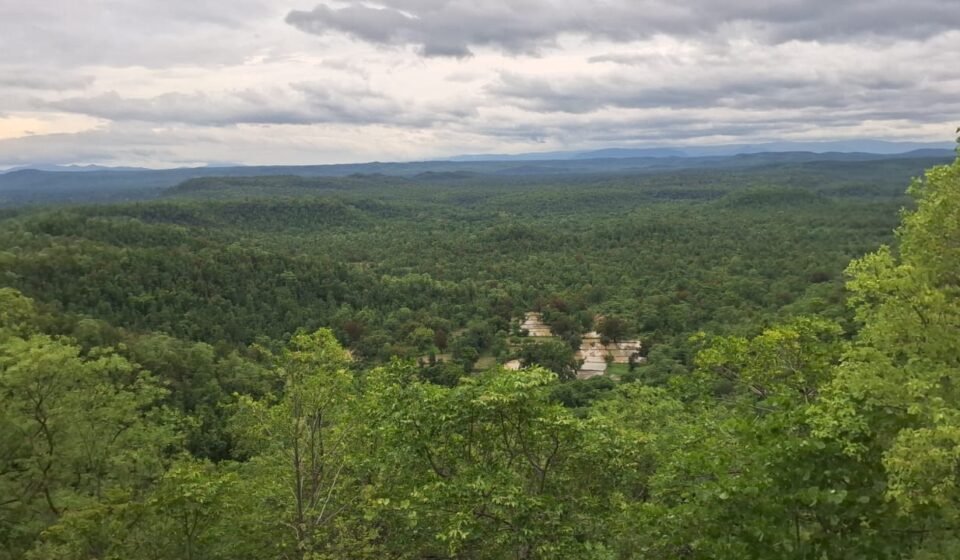
Daltonganj Electoral Registration Officer and Sadar Sub-Divisional Magistrate Sanjay Pandey attributed the slower progress to the region’s difficult terrain and poor connectivity. He said the rugged landscape, inadequate road infrastructure and unreliable mobile network have made field operations challenging, though all 55 Booth Level Officers (BLOs) are working to accelerate the digitisation process.
District Election Officer and Deputy Commissioner Dilip Pratap Singh Shekhawat has directed officials to complete the exercise within the stipulated timeline, warning against any laxity in implementation.
Officials noted that election-related work in Burha Pahar has become considerably smoother since security forces eliminated Maoist influence in the region. Polling parties continue to be airlifted to some remote booths, as was done during the 2024 Lok Sabha and Assembly elections.
Despite improved security, the ongoing electoral revision has also highlighted the area’s persistent developmental challenges. Poor road connectivity, sparse settlements and limited digital infrastructure continue to hinder administrative outreach, underscoring the unfinished agenda of development in one of Jharkhand’s most remote regions.