By Shatrughan Prasad
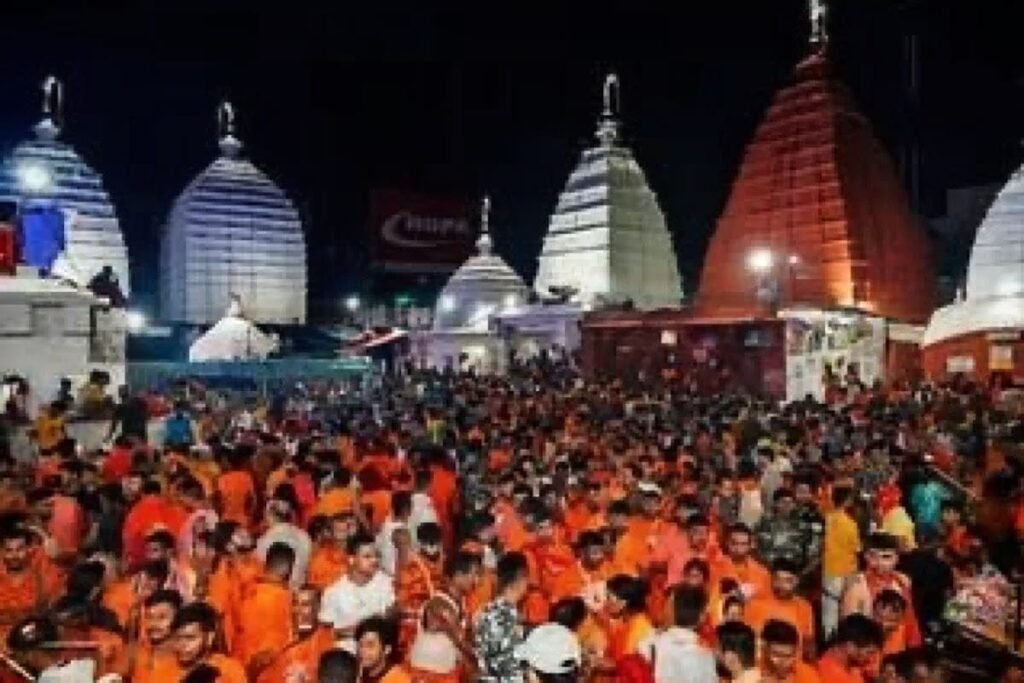
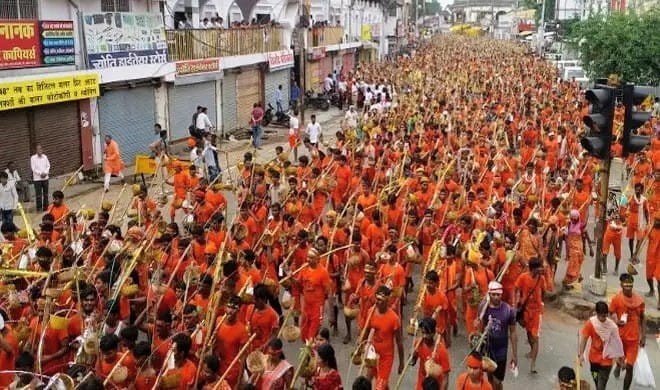
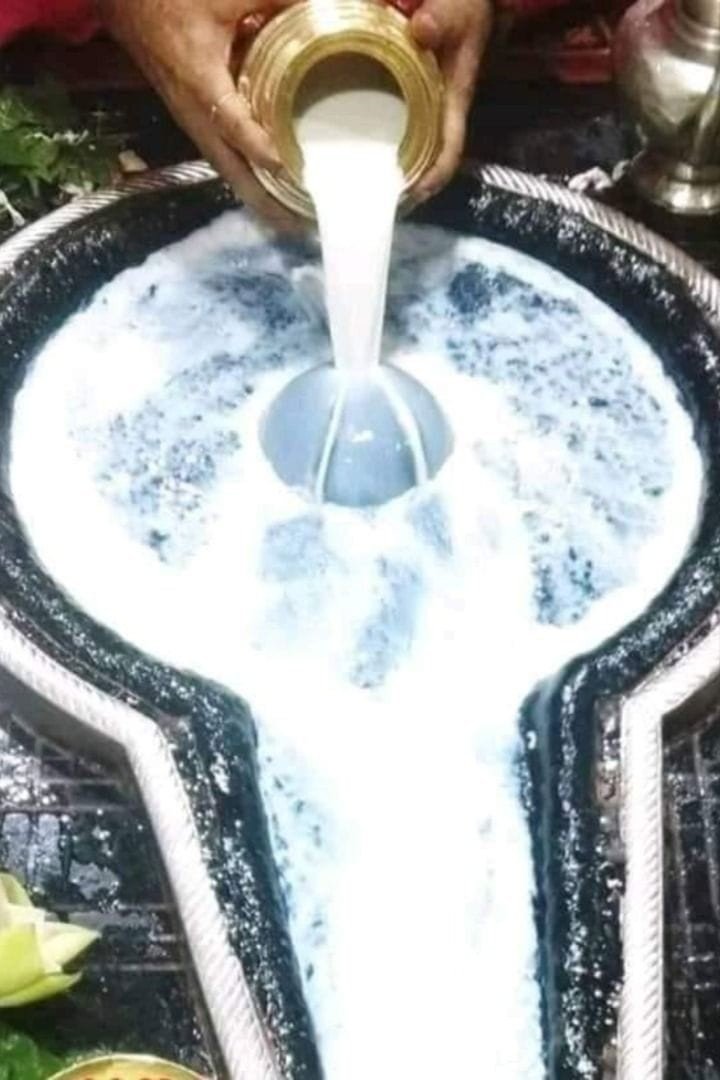
The Rajkiya Shravani Mela 2026, one of India’s largest annual religious gatherings, will be held in Deoghar, Jharkhand, from July 30 to August 28. During the sacred month of Shravan, millions of Lord Shiva devotees and Kanwariyas from across India and abroad undertake the pilgrimage to offer holy Ganga water at the Baba Baidyanath Jyotirlinga.
The mela is not only a symbol of deep religious devotion but also a remarkable example of administrative coordination, crowd management, healthcare, transportation, security, sanitation, and community participation.
As every year, preparations began several months in advance. The governments of Jharkhand and Bihar, along with the Railways, Health Department, Police, Urban Local Bodies, Electricity, Drinking Water, Transport, Disaster Management authorities, and numerous social organizations, are working together to ensure the smooth conduct of the month-long event. Officials say that this year’s focus is on technology-driven monitoring, improved crowd management, and enhanced pilgrim amenities.
Pilgrimage Route and Major Halt Points
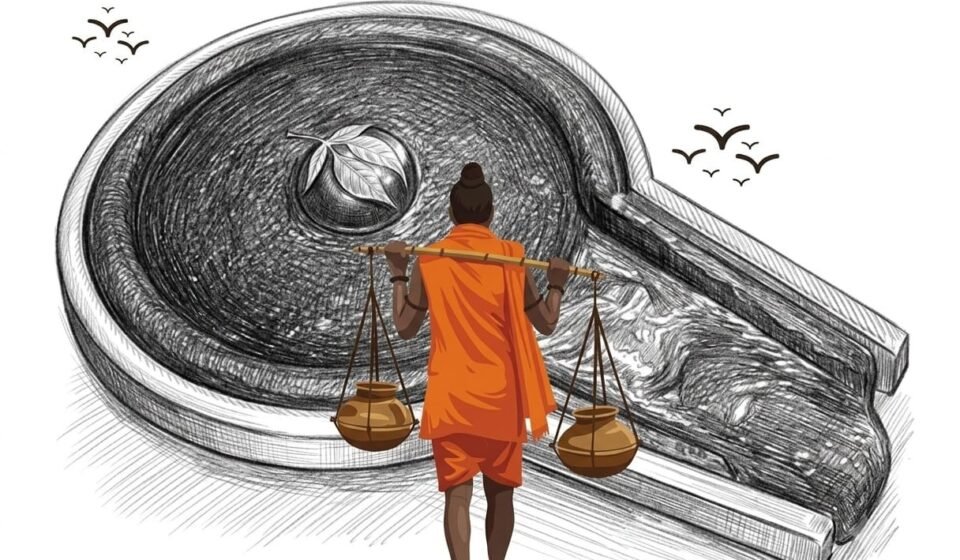
The Kanwar Yatra begins at Sultanganj, where devotees collect Ganga water before proceeding through Bhagalpur, Banka, the Jharkhand border, and finally reaching Deoghar for Jalabhishek at Baba Baidyanath Temple.
Many pilgrims continue their journey to Basukinath Dham, which forms an integral part of the pilgrimage tradition.
The route has evolved into a symbol of discipline, endurance, self-restraint, and collective faith, transforming the region into a massive spiritual congregation every Shravan.
Joint Coordination Between Bihar and Jharkhand
Since the pilgrimage begins in Bihar and concludes in Jharkhand, close coordination between the administrations of both states is essential.
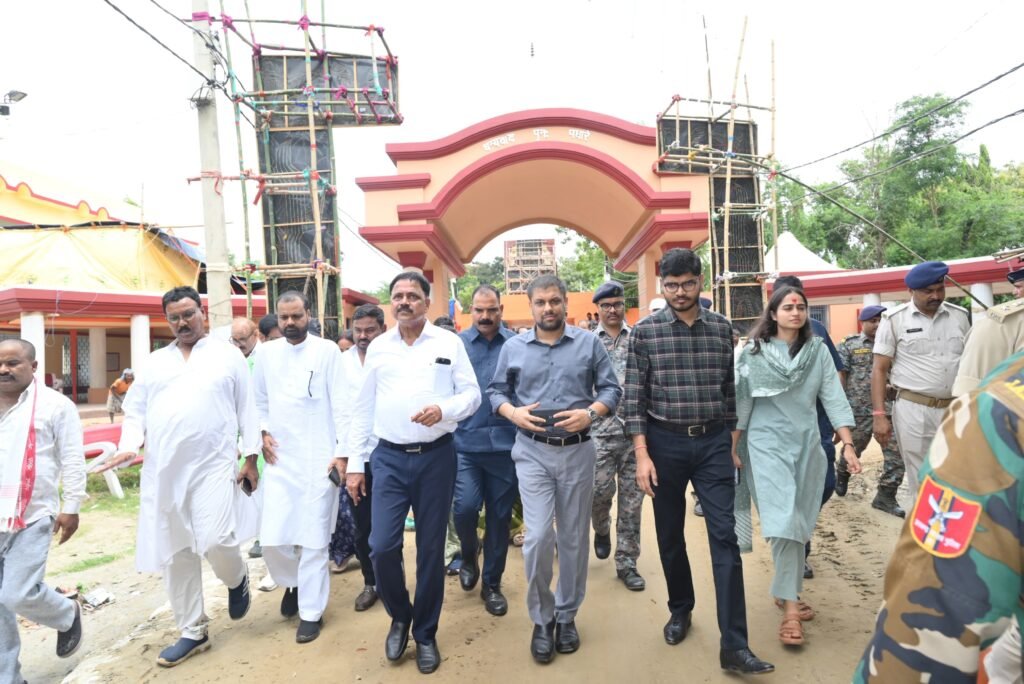
Regular coordination meetings are held among the district administrations of Bhagalpur, Banka, Munger, Sultanganj, and Deoghar. Departments including Railways, Police, Health, Disaster Management, Urban Local Bodies, Electricity, Drinking Water, and Transport jointly supervise arrangements along the entire route.
Road repairs, uninterrupted power supply, drinking water, rest shelters, toilets, medical camps, and control rooms are established well before the commencement of the mela.
Security and Crowd Management
Security remains the highest priority during the Shravani Mela.
Around 14,000 additional security personnel have been deployed this year. Authorities are using an AI-based Integrated Control Room, drones, and high-resolution CCTV cameras for continuous surveillance.
Temporary police outposts, traffic control units, and crowd management centres have also been established. Disaster response teams and fire services remain on high alert to respond promptly to emergencies.
Healthcare Services
Considering the presence of millions of devotees, extensive healthcare arrangements have been made.
Temporary hospitals, medical camps, doctors, paramedics, ambulances, and e-rickshaw (Toto) ambulances have been deployed to provide quick medical assistance, particularly in congested areas.
Medical teams have been stationed at key locations to provide first aid, medicines, ORS, emergency treatment, and healthcare support for heat-related illnesses, fatigue, injuries, and other medical emergencies.
Sanitation and Drinking Water
Maintaining cleanliness during the month-long event is a major administrative challenge.
Approximately 750 sanitation workers have been deployed across seven operational zones. Scientific waste disposal, regular cleaning, fogging, and sanitation drives are being carried out throughout the mela area.
Adequate drinking water facilities, mobile toilets, bathing areas, and sanitation infrastructure have also been arranged for devotees.
Traffic and Transport Management
Traffic management is another critical component of the mela.
A one-way traffic system has been implemented, along with designated parking areas, barricading, and alternate traffic routes.
Indian Railways has introduced special trains and additional coaches, while help desks have been established at railway stations. Bus services have also been expanded to facilitate smooth travel for pilgrims.
Temporary Accommodation
Temporary Tent Cities, dharamshalas, and rest camps have been established for Kanwariyas travelling long distances.
Special arrangements have been made for women, senior citizens, and other vulnerable pilgrims. These camps provide accommodation, food, drinking water, medical assistance, and resting facilities throughout the pilgrimage route.
Religious and Cultural Programmes
The Shravani Mela is not merely a religious gathering but also a vibrant cultural festival.
The district administration organizes daily cultural evenings featuring devotional music, Shiva bhajans, folk dances, Santhali and Jharkhandi cultural performances, classical music, theatre, street plays, yoga, and spiritual programmes.
These events enrich the spiritual atmosphere while providing a platform for local artists and preserving regional cultural heritage.
Role of Social Organizations
The success of the mela depends not only on government agencies but also on thousands of volunteers and numerous social organizations.
Organizations such as Bharat Sevashram Sangha, Ramakrishna Mission, Indian Red Cross Society, Bharat Scouts and Guides, NCC, NSS, Lions Club, Rotary Club, and several local voluntary groups provide free food, drinking water, medical assistance, guidance, accommodation, and first-aid services.
Their active participation transforms the mela into a remarkable example of public service and community cooperation.
Economic Significance
Besides its religious importance, the Shravani Mela is a major economic driver for the region.
Hotels, dharamshalas, transport operators, local markets, vendors of flowers and worship materials, handicraft artisans, and small businesses witness significant growth during the mela.
The economies of Deoghar, Sultanganj, Bhagalpur, Banka, and surrounding areas receive a substantial boost through increased tourism, trade, employment, and temporary business opportunities.
Improvements Over Last Year
Drawing lessons from the 2025 Shravani Mela, the administration has introduced several improvements in 2026.
Security technology has been upgraded, sanitation has been reorganized into zonal operations, railway coordination has been strengthened, and pilgrim facilities have been expanded.
The primary objective is to ensure safer, smoother, and more organized arrangements for darshan, Jalabhishek, transportation, healthcare, and accommodation.
Conclusion
The Rajkiya Shravani Mela 2026 represents a magnificent confluence of faith, tradition, culture, and modern administrative excellence.
Millions of devotees, coordinated efforts of two state governments, advanced technology, efficient administration, and the selfless service of social organizations together make the mela one of India’s most significant and inspiring religious events.
Mythological and Historical Background of the Kanwar Yatra
Baba Baidyanath Dham in Deoghar is revered as one of the twelve Jyotirlingas of Lord Shiva and is also regarded as an important Shakti Peetha.
According to Hindu mythology, Ravana, the king of Lanka, performed severe penance to please Lord Shiva and sought to carry the Shiva Linga to Lanka. However, the Linga became permanently established at Deoghar, where it is worshipped today as Baba Baidyanath.
The tradition of offering Ganga water during the holy month of Shravan is considered centuries old. Pilgrims collect sacred water from the north-flowing Ganga at Sultanganj in Bihar and walk approximately 105 kilometres barefoot to Deoghar without placing their Kanwars on the ground. Throughout the journey, chants of “Bol Bam” and “Har Har Mahadev” fill the atmosphere with devotion.
The 22 Temples and Their Historical Background
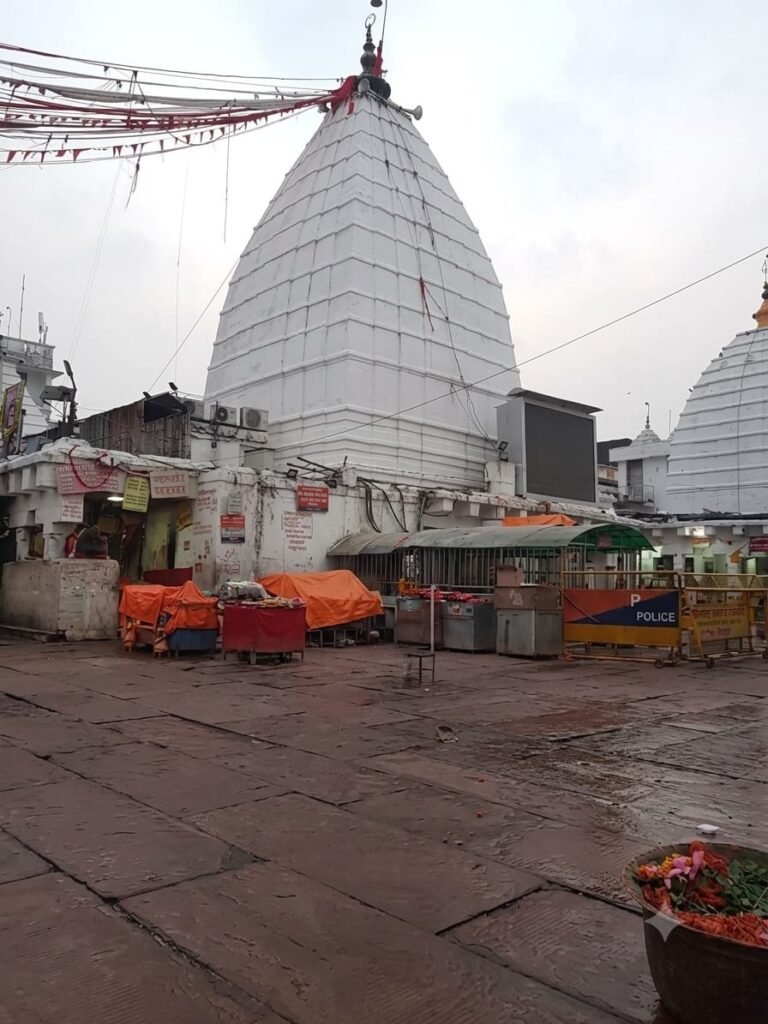
Baidyanath Dham, located in Deoghar, Jharkhand, is one of the twelve sacred Jyotirlingas of Lord Shiva and is also revered as one of the 51 Shakti Peethas in Hindu tradition. The temple complex comprises 22 temples, making it one of India’s most significant pilgrimage sites. It represents a unique confluence of Shaivism, Shaktism, and Vaishnavism.
Historical Background and Construction
The religious significance of Baidyanath Dham is mentioned in ancient Hindu scriptures, including the Shiva Purana and other Puranic texts. However, the exact date of construction of the present temple is not definitively known.
According to historical records of the Government of Jharkhand, the front portion of the main temple is believed to have been built in 1596 CE by Puran Mal, an ancestor of the rulers of the Gidhaur Estate. Over the centuries, several kings, local rulers, and devotees contributed to the expansion, renovation, and preservation of the temple complex.
The main shrine stands approximately 72 feet (22 meters) high and is built in the traditional Nagara style of North Indian temple architecture. Its spire is crowned with a golden finial (Kalash) and the sacred Panchshul (five-pronged trident).
The 22 Temples in the Complex
The temple complex includes the main shrine of Lord Baidyanath along with several subsidiary shrines dedicated to various Hindu deities. The principal temples include:
Baba Baidyanath (Jyotirlinga)
Goddess Parvati Temple
Lord Ganesha Temple
Goddess Kali Temple
Goddess Annapurna Temple
Lakshmi-Narayana Temple
Surya (Sun God) Temple
Goddess Saraswati Temple
Lord Brahma Temple
Kala Bhairava Temple
Lord Hanuman Temple
Lord Rama, Lakshmana and Sita Temple
Goddess Ganga Temple
Sandhya Temple
Goddess Mansa Temple
Goddess Bagalamukhi Temple
Lord Kartikeya Temple
Nandi Temple
Gauri Temple
Savitri Temple
Additional Shiva Shrine
Other subsidiary shrines dedicated to various deities
The names and sequence of some subsidiary temples may vary slightly in different local traditions, but the temple complex is traditionally recognized as consisting of 22 temples