Brain malaria turns fatal in Kolhan: CRPF Jawan dies at MGM Hospital
Pioneer News Service
Jamshedpur
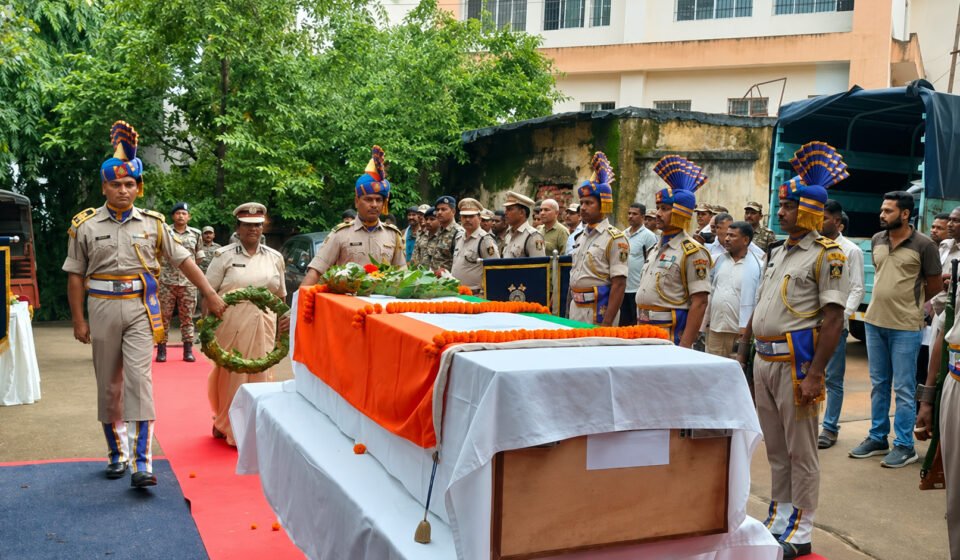
A Central Reserve Police Force (CRPF) jawan, Pintu Kumar, died on Wednesday while undergoing treatment for cerebral (brain) malaria at Mahatma Gandhi Memorial (MGM) Hospital in Jamshedpur. Kumar, who was posted at the CRPF camp in Musabani of East Singhbhum district, had been battling the severe mosquito-borne disease after his health deteriorated rapidly.
His untimely death has left the CRPF camp in mourning and has once again drawn attention to the growing threat of cerebral malaria in the Kolhan region, particularly during the monsoon season when mosquito breeding increases significantly.
According to hospital sources, Pintu Kumar developed a high fever and other malaria-related symptoms before his condition worsened. He was rushed to MGM Hospital on Tuesday, where laboratory tests confirmed infection with Plasmodium falciparum, the parasite responsible for cerebral malaria, the most severe and potentially fatal form of the disease.
A multidisciplinary team of doctors immediately initiated intensive treatment, including anti-malarial medication and supportive care. Despite continuous monitoring and emergency medical intervention, Kumar’s condition remained critical, and he succumbed to the infection on Wednesday.
Doctors said cerebral malaria can rapidly affect the brain, causing swelling, seizures, unconsciousness, coma, and multiple organ failure if treatment is delayed.
News of Kumar’s death spread quickly through the Musabani CRPF camp, where fellow personnel paid tribute to their colleague. Officers and jawans expressed deep sorrow over the loss of a dedicated member of the force.
After completing the required medico-legal formalities, MGM Hospital authorities handed over the body to the family for the last rites. Senior officials are expected to extend assistance and support to the bereaved family.
The incident has prompted the Jharkhand Health Department to increase surveillance in East Singhbhum and other parts of the Kolhan division. Health officials have been instructed to monitor malaria cases closely, ensure the availability of diagnostic facilities, and strengthen preventive measures in vulnerable villages and forested areas.
Medical teams are conducting fever screening, blood testing, and awareness campaigns in malaria-prone regions. Officials have also stressed the importance of early diagnosis and immediate treatment to reduce fatalities.
Health authorities have observed a steady rise in malaria infections in East Singhbhum, West Singhbhum, and Seraikela-Kharsawan districts this year. The Kolhan region, known for its forest cover, mining activity, and scattered rural settlements, remains one of Jharkhand’s most malaria-prone areas.