
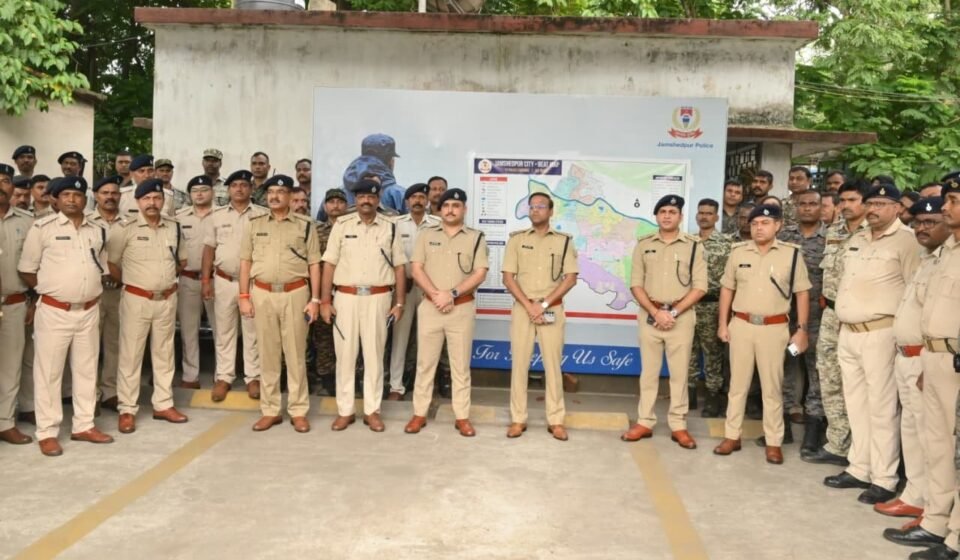
Jamshedpur Police launches QR code-based digital beat policing
Jamshedpur
In a major technology-driven initiative to strengthen law and order, the Jamshedpur Police has introduced a QR code-based digital beat policing system across urban and rural areas of the district. The new mechanism is aimed at enhancing crime prevention, ensuring regular police presence, and improving transparency and accountability in patrolling.
Under the initiative, the district has been divided into 102 urban beats and 104 rural beats, with a dedicated Beat Officer assigned to each area. The officers will be responsible for regular patrolling, collecting crime-related intelligence, interacting with residents, and addressing local law and order issues through community policing.
” The integration of modern technology with the traditional beat policing model will significantly enhance police-public cooperation. By ensuring a regular and verifiable police presence in every neighbourhood and village, the initiative is expected to strengthen public confidence and create a safer environment across the district,” said SSP Dr. Ehtesham Waqarib.
Police officials said the locations for installing QR codes were identified after a scientific analysis of crime data from the past five years. Markets, transport hubs, public spaces, sensitive localities and other strategically important locations have been included in the system to ensure effective monitoring.
Under the new arrangement, QR codes have been installed at designated points in every beat. Patrol vehicles, including Tango vehicles, PCR vans and local police station patrol units, will be required to scan the QR codes at least twice during every duty shift. Each scan will generate a digital record confirming the presence of police personnel at the location.
In addition, Beat Officers will conduct daily patrols on foot or by motorcycle, with special emphasis on maintaining an active presence between 5 pm and 8 pm, when public movement is at its peak. Senior police officers will monitor the digital records generated through QR code scanning to review patrol performance and ensure accountability.
According to the police, the digital beat policing system will enable closer monitoring of crime-prone areas, facilitate quicker police response during emergencies, and improve coordination between Beat Officers and mobile patrol teams. The initiative is also expected to strengthen intelligence gathering and reinforce community policing at the grassroots level.
The police said the primary objective of the initiative is to improve visible policing across both urban and rural areas, ensure consistent police presence in vulnerable locations, increase operational transparency through technology, and effectively curb street crimes and other criminal activities through proactive policing.