
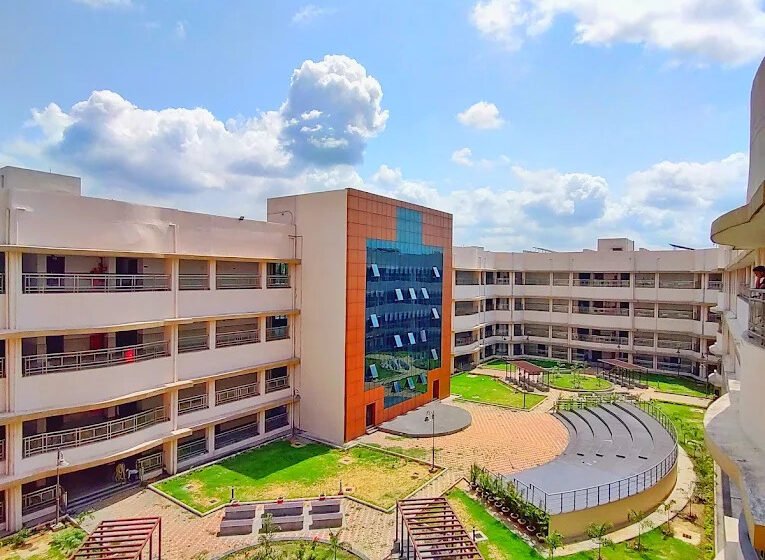
NIT Jamshedpur ends B.Tech branch change option post admission
Pioneer News Services
Jamshedpur
In a significant policy shift, the National Institute of Technology (NIT) Jamshedpur has abolished the provision allowing B.Tech students to change their engineering branch after admission.
The decision, approved at the institute’s 51st Senate meeting, takes immediate effect and will apply to all incoming undergraduate students from the new academic session, according to a notification issued by the Office of the Dean (Academic).
Under the earlier system, students could apply for a branch change after completing their first year based on their cumulative grade point average (CGPA). The provision enabled academically high-performing students to move from less preferred branches to more sought-after disciplines such as Computer Science and Engineering (CSE) and Electronics and Communication Engineering (ECE).
The latest notification withdraws all provisions related to branch modification under the B.Tech programme. As a result, students will now have to complete their degree in the branch allotted to them during the admission process, with no scope for post-admission changes.
The move is expected to significantly influence candidates participating in the Joint Seat Allocation Authority (JoSAA) and Central Seat Allocation Board (CSAB) counselling processes. Many aspirants previously accepted seats in lower-preference branches at reputed institutes with the expectation of securing a branch upgrade through strong first-year academic performance.
Education experts said the revised policy makes it essential for students to carefully evaluate both the institute and the branch while filling their counselling choices. They noted that choosing a branch solely to gain admission to a preferred institute, with plans to switch later, will no longer be a practical strategy.
NIT Jamshedpur joins a growing number of leading engineering institutions that have discontinued branch changes, a move aimed at reducing academic pressure on first-year students and ensuring better academic planning and faculty allocation across departments.