Tension in Nagri as villagers resist proposed RIMS-2 project
Surendra Soren
Ranch
Villagers once again intensified their protest against the proposed RIMS-2 project in the Nagri area under Kanke block of the state capital. The agitation gathered momentum from Tuesday night after reports emerged that Chief Minister Hemant Soren might perform the foundation-laying ceremony for the project on Wednesday.
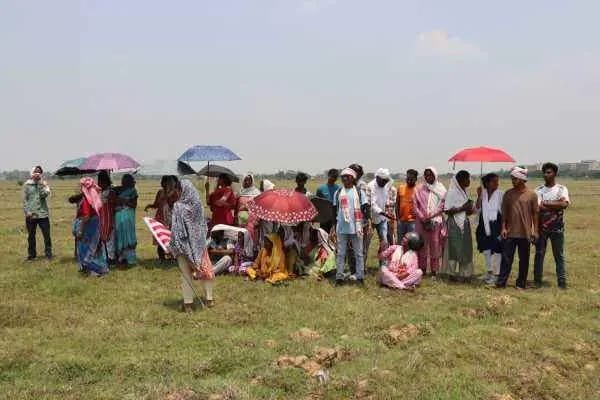
Acting on this information, a large number of local farmers and residents assembled at the site on Wednesday morning to safeguard their agricultural land. Protesters planted flags across the land and staged a strong demonstration, reiterating their opposition to the project.
The villagers have been consistently demanding that the RIMS-2 project be relocated to an alternative site. They argue that the identified land is highly fertile and has been the source of their livelihood for generations. Construction of a major hospital on this land, they say, would deprive them of their primary means of sustenance.
The Nagri Land Protection Struggle Committee, along with local tribal organizations, has previously organized multiple protests. Demonstrations such as ploughing fields and sowing crops have been carried out to assert their claim over the land.
The RIMS-2 project proposes the construction of a 700-bed hospital, a medical college, and allied facilities. Initially, land was identified in Sukurhutu in Kanke, but following opposition there, the site was shifted to Nagri. Villagers allege that the acquisition process is being carried out without proper consultation or exploration of alternative locations.
There has been no official confirmation from the government regarding the proposed foundation-laying ceremony. However, apprehensions among villagers remain high, prompting them to stay vigilant and continue their protest.
Local residents and tribal groups have asserted that development should not come at the cost of displacing farmers and violating land rights. They have demanded that the project be shifted to barren or government-owned land instead of fertile agricultural fields.