
The Gift of a Boring Afternoon
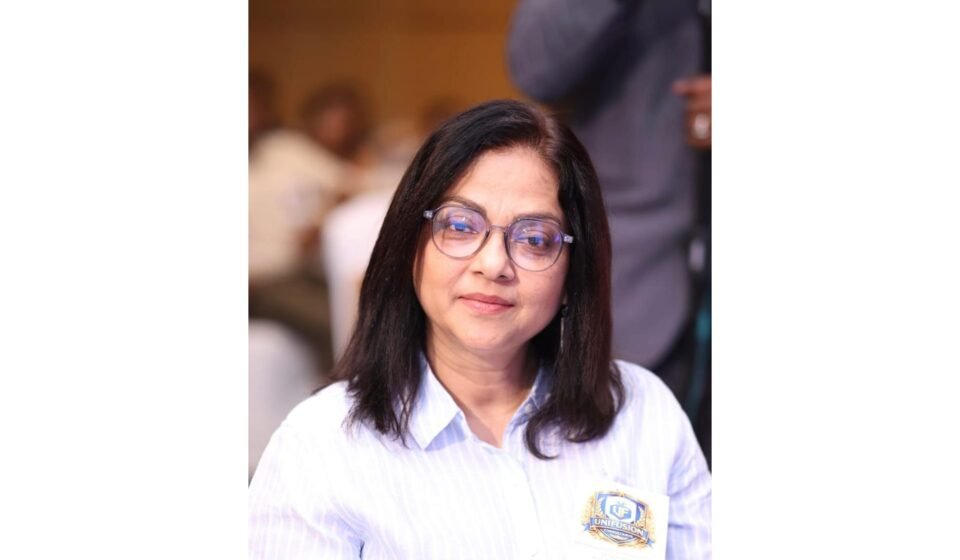
By Anjali Singh
Why Analog Parenting Matters More Than Ever
At a colleague’s get-together recently, I noticed a preteen boy slouched in a corner. Every few minutes he tugged at his mother’s dupatta.
“There’s nothing to do.”
“I’m bored.”
“Can I just have your phone?”
His mother, caught between conversations and the many little demands that come with being a parent, handed it over almost instinctively. Not out of neglect, but out of that quiet belief many of us carry today that children shouldn’t have to sit with boredom.
A little later, I overheard her say to someone, almost apologetically, “He’s on the phone all the time these days.”
She never noticed the contradiction.
Most of us don’t.
It took me back to one summer holiday years ago. We had no plans to travel because of a health condition in the family. Days streched ahead with no itinerary, just long afternoons and a child who, more than once, declared, “I’m bored.”
Then, those quiet afternoons began to write their own story.
My daughter started gathering whatever she could find around the house – scraps of cardboard, old bottles, an unused art kit, pencils, paint, even cotton buds that became tiny tools for creating intricate mandala patterns.
Day after day, she immersed herself in making coasters, bookmarks sealed with ordinary tape, decorated book covers and hand-painted glass bottles that became vases.
I don’t know where the idea first came from – perhaps she’d seen something similar somewhere. Children quietly collect ideas from the world around them. What they need is uninterrupted time to revisit, reshape, and make something entirely their own.
Many of those little creations became gifts for friends and family. I still remember the quiet pride and joy on her face as she handed those gifts over. We still have a few at home, and every time I see them, they remind me not of what she made, but of the child she became in the making.
Today, I notice how quickly parents rush to rescue children from boredom. Not because they care less, but because life moves fast , our attention is severely divided, thus offering a screen often feels like easiest fix.
Boredom was never really the problem.
It has always been a doorway to curiosity. It is where imagination stretches, ideas connect, and children begin creating instead of consuming.
Perhaps it is even more pertinent to Generation Alpha.
We, as parents, are migrants to the digital world. Our children are natives to it.
We remember a childhood before screens – where entertainment wasn’t instant, and boredom was plentiful.
For them, entertainment has always been one button away – and boredom, a rare visitor.
Being an analog parent isn’t about rejecting technology. It’s about protecting moments technology can’t replace – when children notice the ordinary, invent their own games, build with whatever’s around them, solve their own little problems, and find quiet joy in creating something from almost nothing.
It isn’t about raising children in yesterday’s world. It’s about protecting the parts of childhood that every generation has needed- freedom to be bored, space to be curious, and time to become themselves.
In a world that competes relentlessly for child’s attention, perhaps our greatest role is not to fill every quiet moment, but to leave a few beautifully empty.
About the Author:
(Anjali Singh is the Founder of Paramarsh by AS, where she supports students’ emotional well-being, holistic development, and career clarity from early childhood through young adulthood. She also works with parents, educators, and organizations through well-being coaching, workshops, and training programs. An alumna of the Delhi School of Economics and a former HR Manager, she brings together insights from education, psychology, and the workplace to help individuals thrive with self-awareness and purpose.)


Very well written. The truth of analog and digital childhood
Anjali has just extracted the essence of boredom, a quintessential precinct for marinating raw images into ideation..
That has been eroded by the digital parachute ,that allows every child an emergency exit from the suffocating fuselage of their self perceived boredom; that was essentially a platform where they could create something,instead of consuming consistently….
Extraction of such a topic that needs to be ventilated with such an insightful light , and rescue the parents from the blind spot,that had been causing them a lot of dents while steering through the path of parenthood…