The Lone Sentinel of Kokar: Jharkhand’s Only ‘Hollong’ Tree Battles for Survival
By Sudhanshu Kumar and Bandana Kumar
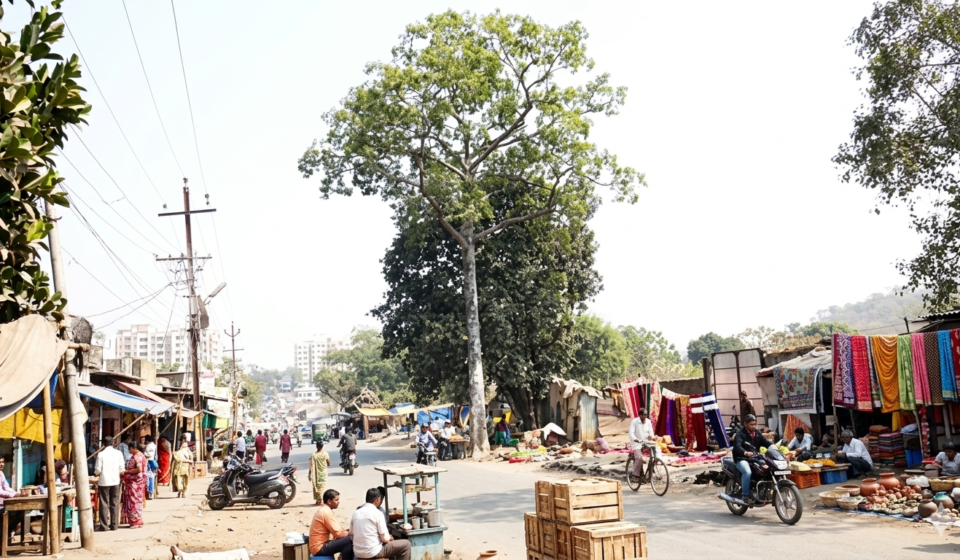
In the bustling urban sprawl of Ranchi’s Kokar area, tucked near the Distillery Bridge on the way to the Birsa Munda Samadhi Asthal, stands a solitary giant. To the casual commuter, it is simply a massive, ancient tree. But to botanists and conservationists, this towering organism is a living historical artifact—the only known specimen of its kind in the entire state of Jharkhand.
Scientifically classified as Dipterocarpus retusus (of the Dipterocarpaceae family), the tree is locally referred to as ‘Jangali Semal’ or ‘Garjan’ by Ranchi residents, while the local Bengali community affectionately calls it ‘Dhawali’. Interestingly, it is a botanical cousin to Jharkhand’s ubiquitous ‘Sakhua’ (Shorea robusta), yet it remains completely isolated from its own kind.
A Journey from the Northeast
How did a tree native to the rainforests of Northeast India find a home in the heart of Chotanagpur? The answer lies in the human stories of migration and labor. Decades ago, local distillery laborers from Ranchi traveled to Assam in search of livelihood. Upon their return, they brought back a tiny sapling of what they called the ‘Hollong’ tree.
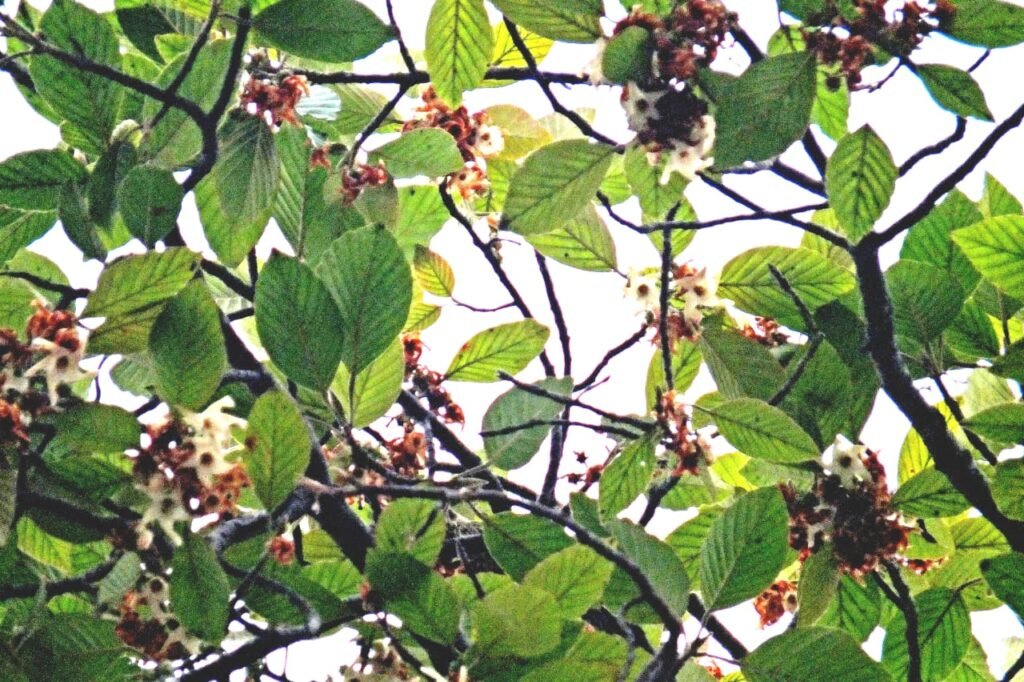
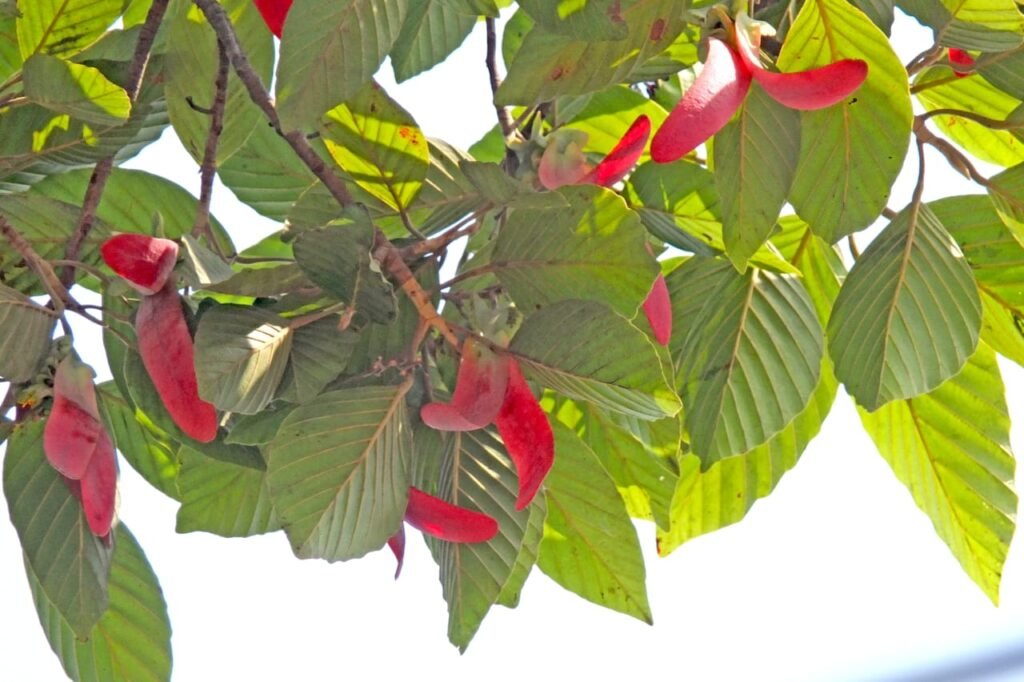
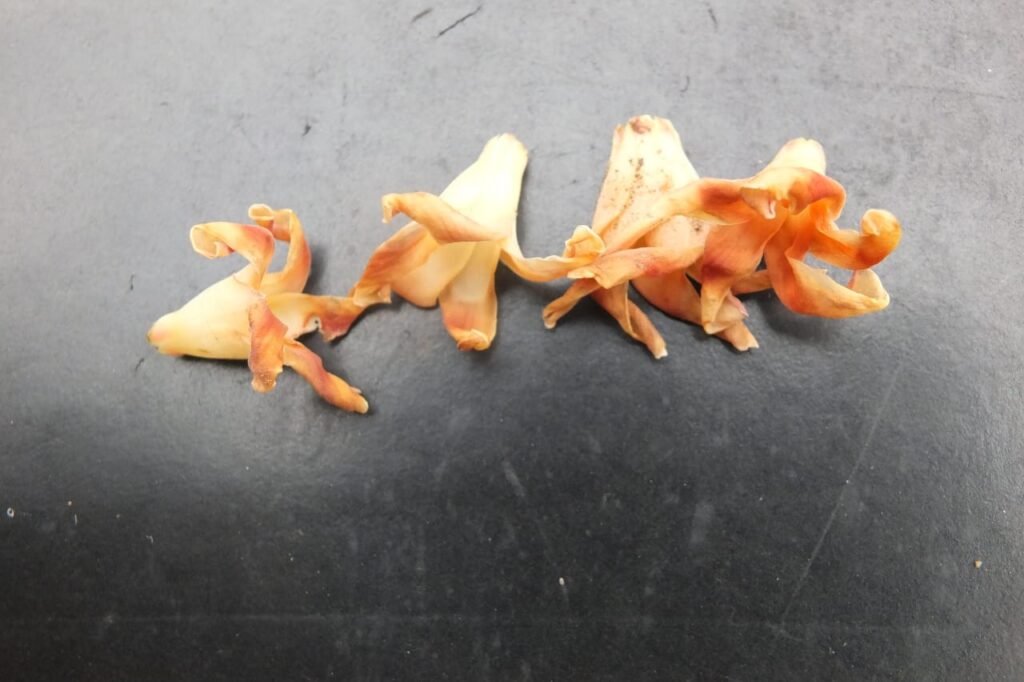
In its native lands of Assam and Arunachal Pradesh, the Hollong enjoys prestigious legal protection as the official State Tree. In Ranchi, however, it has grown into a magnificent, lonely monument, reaching an astonishing height of 60 to 65 feet. Its towering stature makes it a challenge for local nature enthusiasts; its beautiful February blooms and April-May fruiting cycles occur so high up in the canopy that capturing them on camera is nearly impossible.
Nature’s Medicine Cabinet
Beyond its striking presence and historical journey, the tree holds immense ecological and medicinal value. In traditional Assamese remedies, the Hollong is highly revered:
- Wound Healing: The rich resin tapped from its trunk is applied externally to accelerate wound recovery.
- Herbal Therapy: The bark is processed and used as a foundational ingredient in therapeutic massage oils.
- Bioactive Wealth: Modern phytochemical analysis reveals that extracts from its wood are incredibly rich in resveratrol oligomers, specifically α-viniferin and ϵ-viniferin. These compounds are heavily studied for their potent antioxidant, antibacterial, and anti-inflammatory properties.
A Call for Preservation
As Ranchi undergoes rapid urbanization, with roads being widened and concrete infrastructure expanding near the Distillery Bridge, the fate of this lone sentinel hangs in the balance.
Researchers Sudhanshu and Bandana from Ranchi University have raised an urgent alarm regarding its safety. They emphasize that losing this tree would mean permanently erasing a unique chapter of Ranchi’s bio-history.
The onus now falls squarely on the local citizens and the State Forest Department. As road construction continues, ensuring the protection of this solitary giant is not just about saving a single tree—it is about preserving a living testament to human history, unique biodiversity, and the incredible resilience of nature.