
A Journey to Shivlok: Where Faith, Culture, and Technology Converge at the Shravani Fair
By Kumar Krishnan
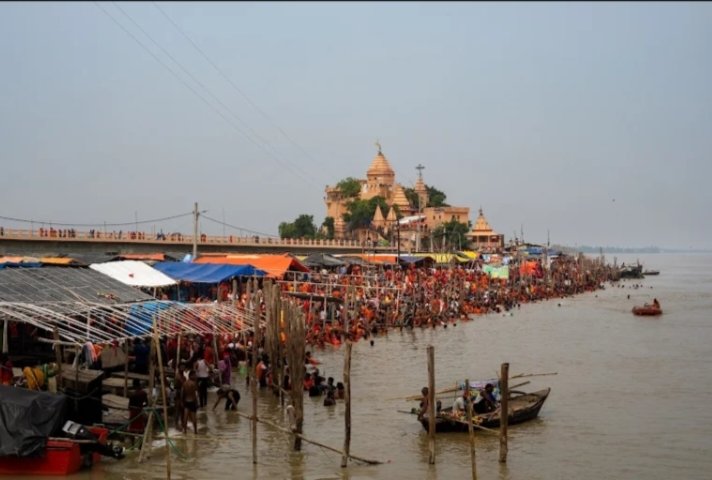
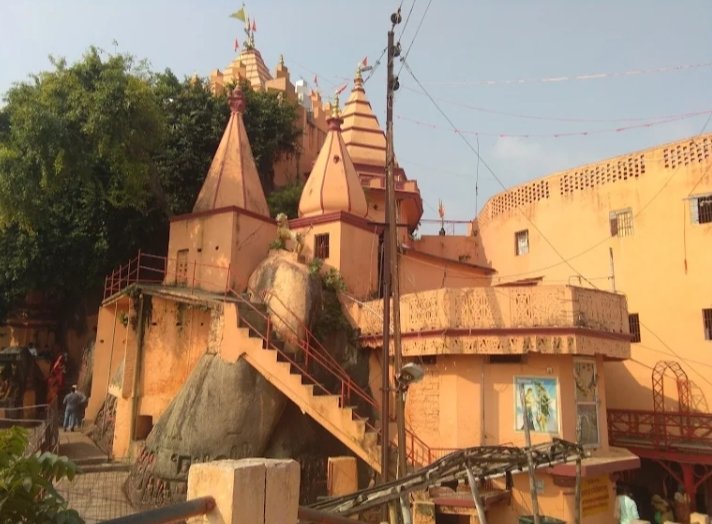
The Shravani Fair is far more than a religious gathering; it is one of India’s most enduring cultural traditions, where devotion is expressed through an extraordinary pilgrimage on foot. Every year, millions of pilgrims, known as Kanwariyas, collect the sacred waters of the northward-flowing Ganges at Sultanganj in Bihar and carry them across nearly 105 kilometers to offer them at the revered Baba Baidyanath Temple in Deoghar, Jharkhand. This arduous journey is not merely a physical undertaking but a profound spiritual discipline rooted in faith, endurance, and collective devotion.
This year’s Shravani Fair marks the beginning of a remarkable new chapter. Pilgrims will experience not only the timeless sanctity of the pilgrimage but also an innovative blend of spirituality, art, and modern technology. At Kamray, along the Kanwariya route in Munger district, a magnificent 200-foot-long Shiv Tunnel has been constructed, promising to become the fair’s most captivating attraction. The tunnel will be inaugurated along with the opening of the Shravani Fair, offering devotees an immersive spiritual experience unlike any seen before.
The tunnel has been designed to recreate the mystical world of Lord Shiva. Within its walls, visitors encounter artistic representations of Mount Kailash, the descent of the Ganges, the cosmic episode of Samudra Manthan (the Churning of the Ocean), Nandi, Goddess Parvati, Lord Ganesha, and other sacred motifs associated with Shaivite tradition. Enhanced by sophisticated lighting, ambient soundscapes, and artistic installations, the passage creates the illusion of entering Shivlok, the celestial abode of Lord Shiva. It is an experience intended not merely to entertain but to inspire reverence and contemplation.
Indian pilgrimages have never been defined solely by their destinations. The journey itself is regarded as an act of worship. Walking together over long distances cultivates humility, discipline, endurance, and a deep sense of spiritual fellowship. During the Shravani pilgrimage, distinctions of caste, language, region, and social status dissolve into a single identity—that of a devotee chanting “Bol Bam” in unison with countless fellow pilgrims.
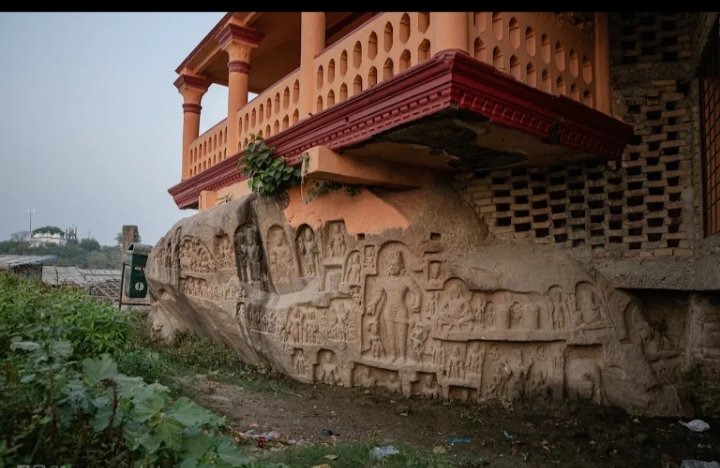
The Shiv Tunnel represents a thoughtful extension of this spiritual tradition. By employing contemporary technology to narrate ancient sacred stories, it bridges generations and presents India’s mythological heritage in a form that resonates with modern audiences. In an era shaped by digital experiences, such initiatives demonstrate how technology can enrich, rather than diminish, the sacred character of religious observances.
According to District Magistrate Nikhil Dhanraj, the Bihar Government envisions transforming the Shravani Fair into an even more attractive and globally recognized cultural event. The project reflects a broader commitment to improving pilgrim facilities while preserving the spiritual dignity of the pilgrimage. Devotees have warmly welcomed the initiative, expressing hope that it will make their journey both more memorable and spiritually fulfilling.
Beyond its religious significance, the Shravani Fair is also a vibrant celebration of India’s living cultural heritage. The route from Sultanganj to Deoghar becomes a dynamic corridor of economic and social activity, supporting local artisans, small traders, transport workers, and rural communities. It stands as a testament to the enduring relationship between faith and community life.
The Shiv Tunnel also reflects a broader transformation taking place across India’s sacred landscape. Just as redevelopment projects at Kashi Vishwanath, Mahakal Lok, Ayodhya, and Kedarnath have successfully integrated heritage with modern infrastructure, this initiative demonstrates that tradition and innovation need not exist in opposition. Instead, they can complement one another, enriching both the spiritual and cultural dimensions of pilgrimage.
Ultimately, the true measure of such projects lies not in their grandeur but in their ability to preserve the sanctity of faith while enhancing the pilgrim’s experience. Environmental sustainability, cleanliness, safety, and cultural authenticity must remain central to every such endeavor.
As pilgrims walk through the Shiv Tunnel this year, they will traverse far more than a 200-foot passage. They will embark upon a symbolic journey where mythology meets modernity, where devotion embraces innovation, and where India’s timeless spiritual heritage finds a new expression for the twenty-first century. In doing so, the Shravani Fair reaffirms an enduring truth: great civilizations preserve their traditions not by resisting change, but by allowing them to evolve with dignity, imagination, and faith.