
R Sharma
Bokaro
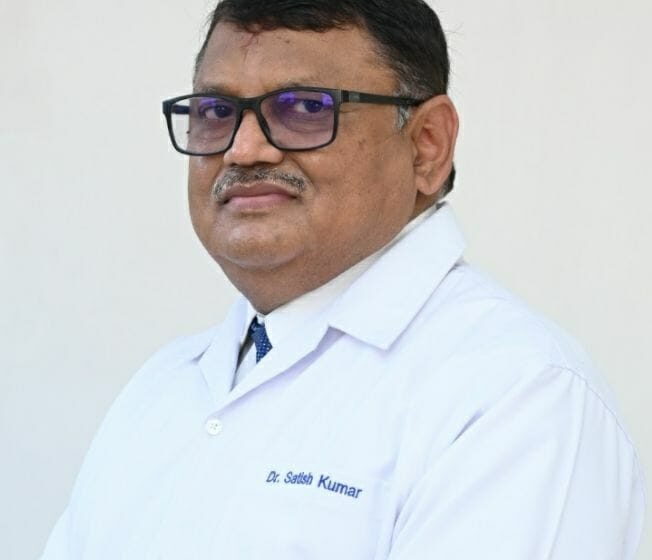
Renowned cardiologist and Wellmark Hospital Chairman Dr Satish Kumar has stressed the importance of early recognition and timely treatment of sepsis, warning that the condition can rapidly become life-threatening.
Sepsis occurs when the body’s excessive response to an infection begins affecting vital organs, including the heart, lungs, brain, kidneys and liver. It may initially resemble a routine fever or infection, but can deteriorate within hours.
“Every passing moment is important in sepsis,” Dr Kumar said, cautioning against simply taking fever-reducing medicines and waiting, particularly when unusual weakness, confusion, excessive drowsiness or breathing difficulty develops. Key red flags include sudden confusion, extreme weakness, rapid breathing, falling blood pressure, low oxygen levels, fast heart rate and reduced urine output. Very high or unusually low temperature, cold or clammy skin and bluish lips or fingertips may also indicate serious deterioration.
Elderly people, newborns, patients with diabetes, kidney or liver disease, cancer or weakened immunity, ICU patients and those recently undergoing major surgery are at higher risk. Severe pneumonia, UTI, abdominal infections and infected wounds can also trigger sepsis.
Dr Kumar said diagnosis involves clinical assessment and tests such as CBC, kidney and liver function, serum lactate and blood cultures. Procalcitonin (PCT) may also help assess infection severity. However, treatment should not be delayed while awaiting reports.
Depending on severity, treatment may include antibiotics, IV fluids, oxygen and infection-source control. Severe cases may require ICU care, vasopressors, ventilatory support or dialysis.
“Fever alone is not sepsis, but infection accompanied by deterioration in organ function is a major warning sign,” Dr Kumar said, urging families not to ignore serious symptoms during an infection. Early recognition and timely treatment can save lives.