Divya Modi
Ranchi
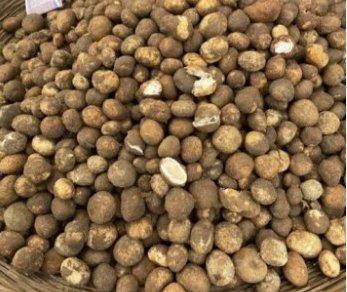
Deep inside the Sal forests of Jharkhand, as the first monsoon showers soak the earth, tribal communities begin a treasured seasonal ritual. Armed with traditional knowledge passed down through generations, they search beneath the forest floor for Rugda—a rare wild mushroom that has long been prized for its unique taste, nutritional value and cultural significance.
Today, this elusive forest delicacy is on the verge of gaining a new identity, as Jharkhand seeks a Geographical Indication (GI) tag that could elevate it from a seasonal tribal harvest to a globally recognised product.
Popularly known as “vegetarian mutton,” Rugda is a wild edible fungus that grows naturally underground around the roots of Sal trees. Rich in protein, it serves as a preferred alternative to meat, particularly during the holy month of Shravan when many households abstain from non-vegetarian food.
Available only during June and July, the mushroom commands an impressive market price of Rs 1,000 to Rs 1,200 per kilogram, making it one of Jharkhand’s most valuable non-timber forest products.
Also known locally as Putu, Rugda is primarily collected by tribal communities across Ranchi, Khunti, Gumla, Simdega, Lohardaga, West Singhbhum and Latehar. Recognising its unique regional identity and economic importance, the Sidho Kanho Agriculture and Forest Produce State Co-operative Federation Limited (SIDHKOFED) submitted an application for a GI tag under the name “Rugda of Jharkhand” in November 2024.
The application is currently in the pre-examination stage, with authorities evaluating scientific evidence and historical documentation before granting recognition.
Rugda’s pursuit of a GI tag reflects a broader movement in Jharkhand to protect and promote products deeply rooted in the State’s geography and culture. The success of Koderma’s Kesaria Kalakand has already demonstrated the value of such recognition. In June 2026, the saffron-infused sweet became Jharkhand’s first food product to receive a GI tag. Prepared traditionally from pure buffalo milk simmered in iron kadais, the delicacy is celebrated for its smooth, moist texture, golden colour and delicate aroma achieved without direct manual contact during preparation.
Several other iconic products are now following the same path. Deoghar’s famous Peda, offered as prasad at the revered Baba Baidyanath Dham temple, is seeking GI recognition for its religious significance, distinct taste and centuries-old tradition. Likewise, the Mandar, the traditional tribal percussion instrument central to Jharkhand’s festivals, rituals and folk performances, is also awaiting recognition. Crafted across numerous districts, the instrument remains a powerful symbol of the State’s indigenous cultural heritage.
According to GI expert Dr. Satyadeep Singh, a Geographical Indication is much more than an intellectual property right. It safeguards products whose uniqueness stems from a specific geography and the traditional knowledge of local communities. Such recognition enables producers to access premium markets, enhances product value, preserves cultural heritage, boosts exports and supports inclusive rural development.
As Jharkhand expands its portfolio of GI-tagged products, the initiative represents more than branding. It is an effort to preserve indigenous wisdom, strengthen livelihoods and showcase the State’s rich cultural and natural heritage on the global stage. Whether hidden beneath the forest floor, crafted in village workshops or prepared in age-old kitchens, these products embody stories that deserve recognition far beyond Jharkhand’s borders.