During Those Days of LPG (Liberalisation, Privatisation, Globalisation)
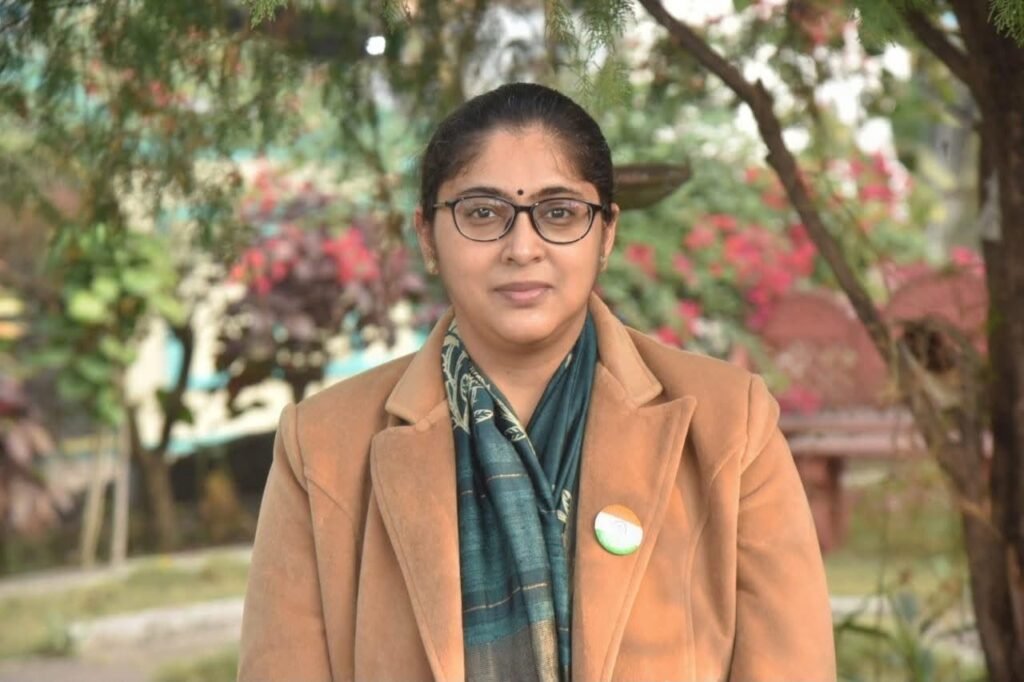
By Harshika Singh
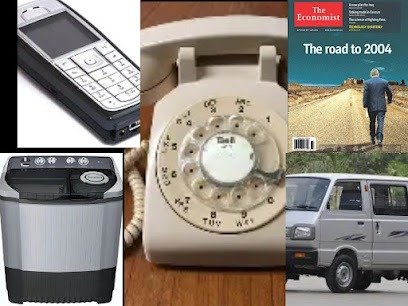
She has fond memories of the time when, at dusk that day, she and her elder brother, along with other family members, excitedly ran down the stairs to welcome a new member of the family — a Maruti Van. It was beautiful, grey in colour, large enough for a family of four, with no power steering and no air conditioner, yet it was the most comfortable vehicle the family could have imagined in 1991.
For a middle-class family in a small town of eastern India, this was a big transition — from a two-wheeler to a four-wheeler — mirroring the larger transformation India was undergoing as the economy opened up in 1991. She remembers months of family conversations about the long waiting list for the van’s delivery after booking. Little did she know then that these discussions reflected the challenges facing the Indian economy at that time.
Years passed. Around the mid-1990s, she visited one of her father’s friends and saw something entirely new — a television channel other than Doordarshan. Until then, TV had been synonymous with Doordarshan for her. Now, she saw multiple serials being relayed continuously. The world of entertainment was expanding, and she didn’t realise that this was liberalisation and privatisation at play, flattening the reach of India’s entertainment industry.
A few years later, she returned from school one afternoon to find a machine neatly wrapped in plastic — a washing machine. It fascinated her to think that a machine could clean and dry clothes. She didn’t know that this was part of a global supply chain responding to India’s growing aspirations.
She recalls visiting the old cloth shop in her city for birthday and festival shopping, where only three or four dress options were available. A few years later, the city was full of branded stores, many international, offering endless choices. The supply-demand curve had shifted — the economy had truly flattened.
She fondly remembers the classic grey rotary dial telephone — calling someone meant sitting beside the phone and dialling carefully. Soon, it was replaced by a cordless phone, then a mobile. Technology had broken geographical barriers; the world was connected through voice and data.
In college, as an economics student, she embraced another gift of the LPG era — the Internet. It allowed her to access global information instantly. She vividly remembers buying her first copy of The Economist magazine from a local stall — something that once required sending a money order to metro cities.
Over two decades, as she grew up in a small city, she witnessed India’s economic unfolding — new products, new technologies, and new opportunities unlocking the aspirations of the middle class. She realised she had been living through the practical play-out of what her teachers would soon teach her — the LPG model adopted by India in 1991.
Harshika Singh. IAS 2012 batch, Madhya Pradesh cadre. Presently posted as director budget, Deptt of finance, MP.