Pioneer News Service
Ranchi
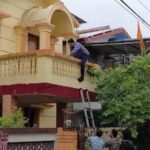
In response to the growing threat of dengue and other vector-borne diseases in Ranchi, the Health Department has stepped up its surveillance drive. A door-to-door dengue surveillance campaign was conducted across seven wards in the Ranchi urban area. During the drive, health officials gathered data on potential patients and inspected potential mosquito breeding sites.
A total of 166 houses were inspected, out of which dengue larvae were detected in 29 homes. The team checked coolers, water tanks, flower pots, old tires, and other containers prone to waterlogging. Of the 1,246 containers inspected, 38 were found to contain dengue larvae.
The surveillance team has appealed to residents to observe at least one “Dry Day” a week by completely emptying, cleaning, and drying water from coolers, tanks, buckets, pots, and old tires. Health officials raised awareness among residents where larvae were found, urging them not to let water accumulate in or around their homes.
Officials highlighted that dengue-transmitting mosquitoes can breed even in clean, stagnant water. According to the department, this surveillance drive is being conducted daily across seven different wards to control dengue, malaria, and other vector-borne diseases in a timely manner.
Meanwhile, the Jharkhand government has directed all districts to remain on high alert following the rising threat of dengue and chikungunya during the monsoon season. The Department of Health, Medical Education and Family Welfare has issued an advisory to all Deputy Commissioners, asking them to launch an immediate campaign to prevent the spread of the diseases.
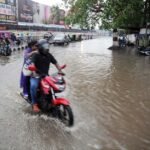
Additional Chief Secretary Ajay Kumar Singh has directed districts to maintain special surveillance in waterlogged areas and destroy mosquito breeding sites on priority.
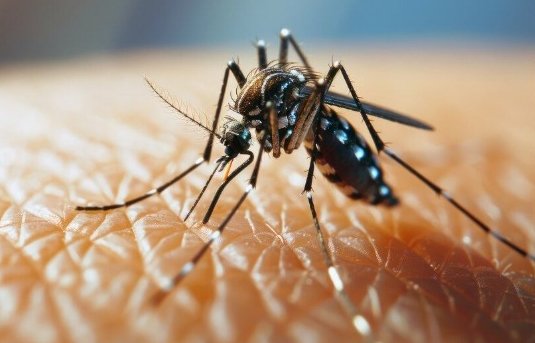
According to the advisory, dengue and chikungunya are viral diseases spread by the bite of the female Aedes mosquito, which breeds in clean water. Common breeding sites include water-filled containers, coolers, plastic bottles, open water tanks, old tyres and stagnant water in discarded items around homes. The department has stressed regular cleaning of such areas and removal of stagnant water.