
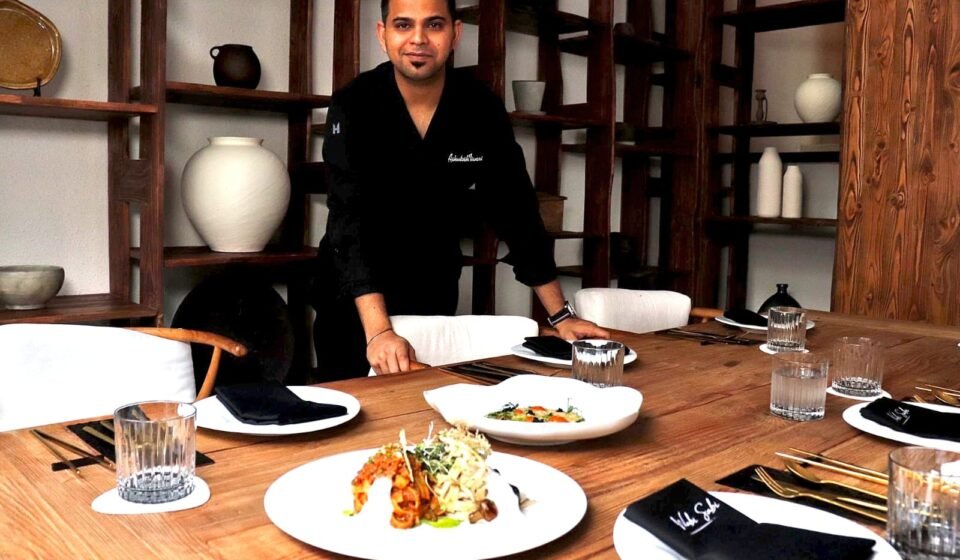
Health-Conscious Dining: Trend or Permanent Change?
By Chef Ashutosh Tiwari
A decade ago, questions about calorie counts, gluten-free options, or organic ingredients were considered unusual in restaurants. Today, they are part of everyday dining conversations. Across restaurants, cafés, and even street food outlets, consumers are paying closer attention to what they eat. This shift raises an important question: is health-conscious dining a passing trend or a long-term transformation?
From my experience in professional kitchens and hospitality consulting, there has been a clear change in guest expectations. Dining out was once primarily associated with indulgence and celebration. While food still holds emotional and cultural significance, diners now seek balance. They want meals that not only taste good but also contribute to their overall well-being. The conversation is increasingly shifting from “How delicious is this dish?” to “How will this dish make me feel?”
One of the key drivers of this change is growing awareness of lifestyle-related health concerns such as diabetes, heart disease, and obesity. These issues affect millions of families, prompting consumers to pay greater attention to ingredients, cooking methods, and portion sizes. Diners are not necessarily avoiding indulgence, but they are becoming more selective about it.
Transparency has also become a major factor in dining decisions. Guests want to know where ingredients come from and how food is prepared. Terms such as fresh, locally sourced, preservative-free, and plant-based are no longer just marketing slogans; they influence purchasing choices. Restaurants are increasingly highlighting sourcing practices and preparation methods because consumers value this information.
Social media and global exposure have further accelerated the trend. People regularly discover new cuisines, dietary habits, and wellness practices from around the world. Eating patterns such as plant-based and Mediterranean diets have gained popularity among Indian consumers, who now expect restaurants to offer similar options. At the same time, there is renewed interest in traditional Indian ingredients such as millets, fermented foods, and seasonal produce, all of which offer significant nutritional benefits.
Despite this growing focus on health, taste remains the most important factor in dining. Healthy food cannot succeed if it compromises flavour. The real challenge lies in combining nutrition with creativity and taste. Chefs are increasingly using techniques such as grilling, roasting, fermenting, and slow cooking to enhance flavour while preserving nutritional value. The focus is no longer on eliminating ingredients but on using them more thoughtfully.
From a business perspective, health-conscious dining is becoming a necessity rather than an option. Restaurants that ignore changing consumer preferences risk losing relevance, particularly among younger and more informed diners. However, blindly following every health trend can also be risky. Successful menu innovation requires a clear understanding of the target audience, brand identity, operational capabilities, and costs.
Technology is supporting this evolution through digital menus, nutritional tracking tools, and customer feedback systems that help restaurants better understand guest preferences. Fitness apps and wearable devices are also encouraging consumers to make more informed food choices.
Sustainability is another important aspect of this shift. Many consumers now link personal health with environmental responsibility, increasing demand for local sourcing, seasonal ingredients, and reduced food waste.
Health-conscious dining does not signal the end of comfort food or indulgence. Instead, it reflects a growing preference for balanced choices. Looking ahead, advances in food science, personalised nutrition, and functional foods are likely to strengthen this movement. Health-conscious dining is not a temporary trend but a reflection of changing lifestyles and consumer priorities, one that will continue to shape the future of hospitality.
The writer is Global Hospitality & Culinary Leader, Consultant, Educator, Coach & FNB Mentor.