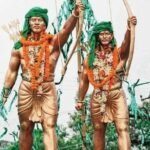

Hul Revolution: The Untold Saga of India’s First War of Independence
By Ashok Baraik
(State Spokesperson, BJP Jharkhand)
30 June 1855: The Flame of Revolution That Rose from the Forests and Shook the British Empire
The word “Hul” in the Santali language means much more than a rebellion. It symbolizes a powerful movement for freedom, self-respect, justice, and resistance against oppression. While the Revolt of 1857 is widely regarded as India’s First War of Independence, the Santhal Hul of 30 June 1855 had already challenged British authority two years earlier with remarkable courage and determination.
Led by the legendary brothers Sidho Murmu, Kanhu Murmu, Chand Murmu, and Bhairav Murmu, the Hul was not merely a protest against landlords or moneylenders, as colonial historians often portrayed it. It was a mass uprising against British rule, exploitative taxation, economic oppression, and the denial of indigenous rights. The movement called upon people to reject colonial authority, refuse to pay revenue, and establish self-rule.
At that time, the Santhal region was part of the Bengal Presidency. Tribal communities had transformed dense forests into cultivable land through their hard work. However, the East India Company, along with landlords, moneylenders, and corrupt officials, imposed heavy taxes and exploitative lending practices that pushed the Santhals into extreme poverty and injustice.
Inspired by a deep sense of justice and guided by their traditional beliefs, Sidho and Kanhu united thousands of tribal people under a common cause. On 30 June 1855, more than 50,000 Santhals from nearly 400 villages assembled at Bhognadih, in present-day Jharkhand. They declared an independent Santhal Raj, refused to pay taxes to the British, and openly challenged colonial rule. The message of revolution spread rapidly across the region through Sal tree branches, a traditional symbol used to mobilize the people.
Initially, the Santhal warriors achieved significant victories against British forces. However, the British soon responded with heavily armed troops, imposed Martial Law, and launched a brutal military campaign. Armed mainly with bows, arrows, axes, and traditional weapons, the Santhals fought with extraordinary courage despite being vastly outnumbered and outgunned. It is estimated that over 20,000 tribal men and women sacrificed their lives during the uprising.
British historian William Wilson Hunter, in Annals of Rural Bengal, acknowledged their unmatched bravery, writing that the Santhals knew no such word as surrender and continued fighting until the very last warrior.
Although the Hul was eventually suppressed in early 1856, its impact was profound. The British administration was forced to reorganize the region by creating Santhal Pargana and introducing special land administration measures that later influenced laws protecting tribal land rights.
The Hul Revolution remains one of the earliest and most significant mass movements against British colonial rule. It stands as a symbol of the tribal communities’ unwavering commitment to freedom, dignity, and the protection of their Jal, Jungle, and Jameen.
On Hul Diwas, we pay our heartfelt tribute to Sidho, Kanhu, Chand, Bhairav, and the thousands of known and unknown martyrs whose supreme sacrifice became an enduring inspiration in India’s long struggle for independence.