More Than a Walk: The Art and Science of the Catwalk
By Rachna Tiwari
To the untrained eye, walking the runway looks effortless. A model steps onto the catwalk, walks in a straight line, turns at the end and walks back. It appears so simple that many assume anyone can do it with a little confidence.
That is perhaps the biggest misconception about modelling.
A professional runway walk is a highly refined skill. It combines posture, balance, rhythm, body awareness, expression and performance. Behind every seemingly effortless appearance are hundreds of hours of practice.
It Isn’t About Looking Good
One of the first lessons aspiring models learn is that the catwalk is not about showing yourself. It is about presenting the clothes.
The audience has come to see the designer’s collection. The model becomes a moving canvas. Every movement should enhance the garment rather than distract from it.
This is why experienced runway models often maintain a neutral expression. They are not trying to appear unfriendly. They are ensuring that attention remains on the outfit.
Every Designer Wants Something Different
There is no universal runway walk.
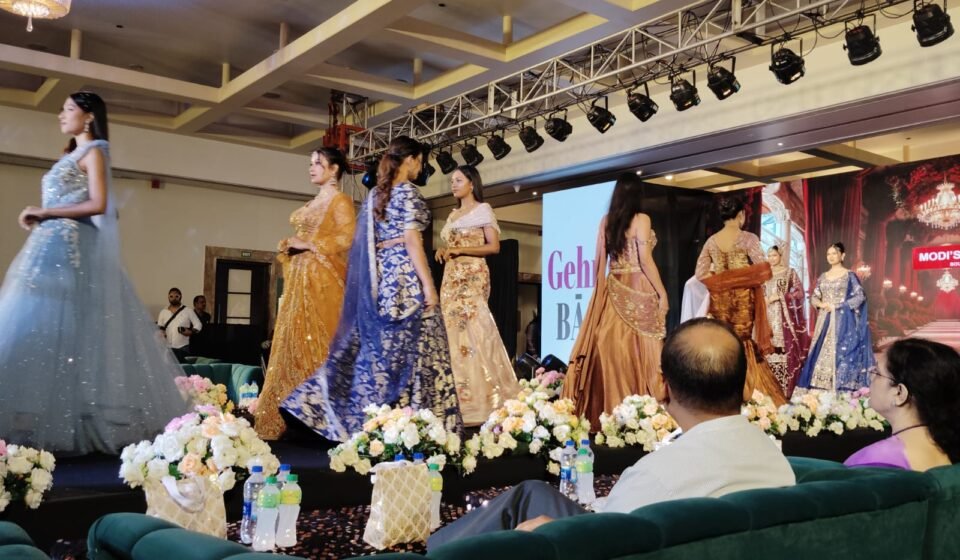
A luxury couture show demands elegance and restraint. A sportswear brand may expect energy and confidence. Streetwear collections often encourage attitude and individuality, while avant-garde designers may ask models to experiment with unconventional movement.
Professional models learn to adapt without losing control over their body language.
Walking becomes less about style and more about interpretation.
Good Posture Is the Foundation
Many beginners believe a runway walk starts with the feet.
It actually starts with posture.
The head should remain level, shoulders relaxed, spine elongated and core engaged. The body should appear tall without looking stiff. Arms swing naturally instead of being consciously controlled.
Every step begins from a stable posture. Once posture breaks down, everything else starts to look awkward.
The Pace Matters
A common mistake among beginners is walking too quickly.
The purpose of a runway show is to display clothing. Buyers, photographers and the audience need enough time to observe every detail of the garment.
Professional models walk at a measured pace. Their stride remains consistent from the first step to the last. There are no sudden changes in speed or exaggerated movements.
Confidence is often communicated through rhythm rather than speed.
Looking Straight Ahead
Many new models constantly check the audience, photographers or judges.
Experienced models keep their eyes focused on a fixed point beyond the end of the runway. This creates a sense of purpose and naturally improves posture.
The audience experiences confidence even though the model is concentrating on a simple visual target.
High Heels Are a Skill
Walking in high heels is very different from walking on a runway in high heels.
Runway heels are often higher, narrower and sometimes uncomfortable. The stage surface may be slippery, carpeted or uneven. Lighting can affect depth perception, while garments themselves may restrict movement.
Professional models practise in different types of footwear until balance becomes instinctive.
The Turn Is Part of the Performance
The pause at the end of the runway is not an afterthought.
It allows photographers to capture the outfit from multiple angles and gives the audience a final view of the design. The turn itself should be smooth, controlled and appropriate to the designer’s style.
Some shows require a quick pivot. Others call for a slower, more dramatic presentation.
Confidence Is Built, Not Born
There is a belief that successful models are naturally confident.
Most professionals disagree.
Confidence develops through repetition. The more frequently a model practises, the more natural the movements become. Eventually, the model stops thinking about every step and starts focusing on the performance.
Can You Train Yourself?
Professional coaching is valuable, but much of runway walking can be developed independently with discipline.
A beginner can start by practising posture against a wall. The back of the head, shoulders and hips should lightly touch the wall, helping the body understand proper alignment.
The Biggest Misconception
Many people believe modelling is about physical appearance.
Appearance may open the first door, but professionalism determines how long someone stays in the industry.
Designers and agencies value punctuality, discipline, consistency, physical fitness, adaptability and the ability to perform under pressure. A model who walks well, follows instructions and presents garments effectively often enjoys a longer career than someone who relies only on striking looks.
The catwalk is sometimes dismissed as “just walking.”
Anyone who has stood at the start of a runway with bright lights overhead, cameras waiting and hundreds of eyes watching knows that it is far more than that. A great runway walk is a performance built on technique, practice and discipline. Like every craft, it appears simple only after years of hard work.
The writer is a successful print and ramp model who was also featured in Vogue and Gladrags Magazine)