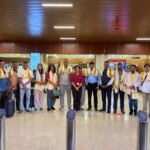
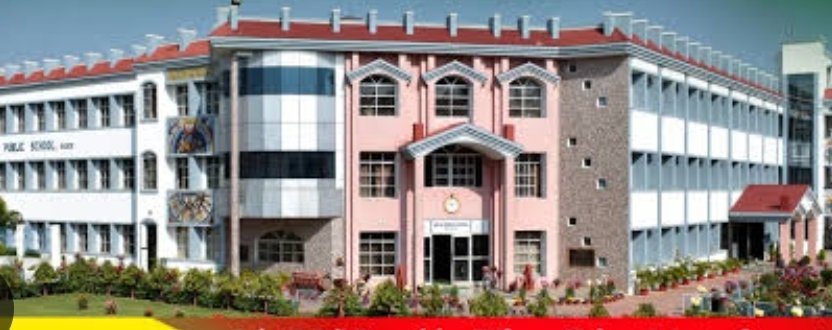
STUDENTS ARE OF DPS, RANCHI
Reconstruction Is Not Recovery
The war did not end with a sound.
There was no final explosion, no announcement, no celebration. It ended the way storms sometimes do–quietly, when you realise the rain has stopped but everything around you is still soaked. The people said the town was free again.
I am that town… I remember what freedom looked like before, and I know what it looks like now.
The war ended on a Tuesday. By Friday, the silence had learned our names.
They returned slowly. Not in groups, not with relief, but one by one, as if afraid the town might not recognise them anymore. Some walked through the main road where shops once shouted prices and the children chased tyres. Now the road was smooth, newly laid and painfully quiet. Roads are easier to build than memories.
Out of forty-three houses, thirty-nine were reconstructed within a year. Four were left untouched. Not because of lack of money or material, but because no one came to unlock their doors. The paint dried on walls that would never hear footsteps again. Even loss needs permission to be acknowledged.
The school reopened in autumn. The same bell rang–loud, proud, and determined. But it rang for fewer children. Desks were arranged neatly, textbooks stacked carefully, names written on registers no one answered to. The teacher paused every morning before calling out attendance, as if hoping absence might respond if given enough time. It never did.
They planted trees where buildings had collapsed. People praised the greenery, called it progress, called it healing. No one mentioned that trees were easier to grow than forgiveness. Or that their roots were drinking from soil that remembered blood.
The playground was rebuilt too. Fresh paint, strong swings. A slide that shone under the sun. On most days, the swings did not move. Wind passed through them gently, like a visitor unsure whether they were welcome. Children came, but not the way they used to. They played quietly. They knew games could end suddenly.
The clock tower in the centre of the town was repaired last. It had stopped at 4:17. No one asked why. When it started again, some people complained it was a minute slow. No one complained that it had witnessed everything.
Markets reopened. Shops displayed goods neatly, shelves filled again. But bargaining sounded different. Laughter was shorter. Grief has a way hiding in normal sentences. Names slipped into sentences and then disappeared quickly, like they had said too much.
There was a wedding six months after the war. The decorations were bright, music played, food was served generously. One chair remained empty. No one removed it. Some absences demand respect.
A man rebuilt his house exactly as it was before–same doors, same windows, same colour. Only one room stayed locked. He said it was for storage. The town knew better. We always do.
At night, one streetlight flickered near the old bus stop. Electricians fixed it repeatedly. It always flickered again. People stopped reporting it. Some things are not meant to be corrected.
The war took many things, but it left habits behind. People still lowered their voices at sudden sounds. They still flinched at unfamiliar footsteps. Children still asked questions adults could not answer. Peace arrived, but trust did not come with it.
A grandmother returned to find her neighbour’s house gone. In its place stood a small park with a bench and two trees. She sat there every evening, feeding birds that did not remember her. She said that the park was beautiful. She never said what was missing.
They say time heals everything. That is not true. Time teaches you how to function while hurting. Healing is when something stops aching. We only learned how to carry the ache without dropping it.
One day, a boy found a pair of shoes near the town entrance. They were old, dusty, and carefully placed side by side. No one claimed them. No one moved them either. Eventually, grass grew around them. Visitors thought it was a memorial. It was not planned to be one. The most honest monuments are accidental.
The town celebrated a festival again. Lights hung across the streets. Diyas glowed warmly. Music echoed softly. At sunset, one extra diya was lit in every house. No announcement was made. Everyone knew why. Silence can be collective too.
People began saying the town had recovered. Reports were written. Photographs were taken. Before-and-after comparisons looked impressive. The “after” had stronger buildings, better roads, and cleaner walls. The “before” had more people…
Children born after the war asked questions. Why does that house have no windows? Why does everyone go quiet near the river? Why does the clock tower matter so much? Adults answered carefully, often with half-truths. Some stories are too heavy to be handled to small hands.
A man once said, “We survived.” The town did not argue. Survival is not the same thing as living.
The war is not remembered in dates anymore. It is remembered in habits. In pauses. In the way people look at the sky before making plans. In the way happiness is celebrated cautiously, as if it might be taken away for being too loud.
They rebuilt the hospital first. That made sense. Then the roads. Then the houses. People? People were last, and even then, only partly.
They do not hear what I hear at night–footsteps that never arrived, doors that will never open, names that echo without answer.
I stand today with walls repaired and streets intact. From the outside, I look whole. Visitors admire my resilience. They say I’m strong…
We did not rebuild the past. We could not.
But something changed.
People who once lived behind closed doors began sitting outside in the evenings. Neighbours who barely spoke before now shared tea in silence that felt less heavy. Children from different streets started playing together, not because they forgot, but because they understood.
Hands that once rebuilt their own homes began helping rebuild others. Not out of duty, but because loss had made everyone equal.
Pain, for the first time, was not carried alone.
The flickering streetlight still stands. But now, someone always waits beneath it —not for repair, but for company.
The empty chair at gatherings is still left untouched. But no one sits alone beside it anymore.
The boy who found the shoes visits them often. Recently, another pair appeared beside the first. Then another. Not as a sign of loss, but as a quiet promise — no one would be left behind again.
They say the town has healed.
That is not true.
Healing is when something stops hurting.
We still remember. We still pause. We still carry what was lost.
But now, we carry it together.
And somewhere between shared silence, flickering lights, and steady hands, we found something stronger than what the war took away —
Not a perfect town. But a common ground.
And that, perhaps, is the truest form of rebuilding there is.
But…I hate war. I despise war.
“Progress was born the day we learned to cooperate; war was born the day we decided some lives mattered less.”
“The first weapon was not made of stone; it was the idea that another human could be an enemy.”
“Everything went wrong the day a cavemen learnt he could kill his fellows.”
How could anyone not hate war?
What was won that was worth what we lost?
-Me, the town that saw everything…
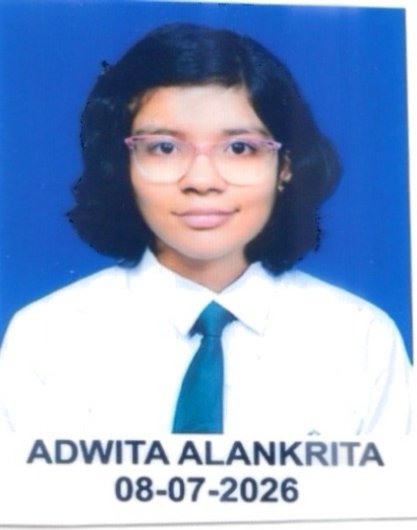
By- Adwita Alankrita
Class- X ‘F’
Delhi Public School, Ranchi
THE SHOP THAT SOLD LOST MOMENTS
In the middle of an ordinary town,between a bakery and an old bicycle shop ,there was a tiny shop that nobody remembered seeing before.It’s signboard simply said”LOST MOMENTS-FOUND HERE.”There were no advertisements,no bright lights,and no customers standing outside.Yet every evening at exactly six’o clock,the shopkeeper opened the door.
One day,a fourteen year old named Natasha noticed the shop while walking home from school.She had never seen it before.Curious,she pushed open the door.A small bell rang above her head.Inside,hundreds of glass bottles covered the shelves.Each bottle contained a tiny golden light that moved like a firefly.
“What are those”Natasha asked.
The old shopkeeper smiled.”Moments people lost without realizing it.”
Natasha picked up a bottle.A label was tied around its neck.It read”The last time someone laughed with their grandfather”.Another said,”The morning a mother stopped worrying for five minutes”.Another contained”The sound of rain heard by someone who was leaving home forever”.
Natasha felt a strange sadness.”Can people buy these?”
“No,”said the shopkeeper.”They can only take back a moment that once belonged to them”.
Natasha looked around carefully.Then she noticed a bottle on the highest shelf.It had her name on it.
She reached for it.
The shopkeeper suddenly stopped her.
“That one is not for sale”.
“Why?”
“Because you haven’t lost it yet”.
Natasha stared at the bottle.Inside it was a warm golden light ,brighter than all the others.
“What moment is it?” she asked.
The old man shook his head.”If I tell you, it won’t happen”.
Natasha left the shop confused.
The next morning,she went to school as usual.Nothing seemed different.She attended her classes,ate lunch with her friends,and returned home.But that evening,she noticed her mother sitting alone at the kitchen table.
Her mother looked tired.
Natasha sat beside her.
They began talking.
They talked about school,childhood,old photographs,silly mistakes,and dreams they had forgotten.For the first time in months,neither of them looked at a phone or hurried anywhere.
They simply talked.
Then her mother laughed.
It was a small laugh but Natasha remembered it.
The next day,the mysterious shop was gone.
The bakery was still there.The bicycle shop was still there.But between them was only a blank wall.
Natasha never found the shop again.
Years passed.
She grew older and moved to another city.She became so busy that she sometimes forgot to call home.One evening,while cleaning an old cupboard,she found something strange.
A small glass bottle was lying inside.
There was a label around it.
The moment Natasha almost forgot to remember.
Her hands began to tremble.
She opened the bottle.
A tiny golden light floated into the room.
And suddenly,she heard her mother’s laughter from that evening years ago.
Natasha closed her eyes.
She finally understood what the shopkeeper had meant.
People thought moments disappeared because time moved forward.
But moments did not disappear.
They disappeared when people stopped remembering them.
Natasha placed the empty bottle on her desk.
From that day onward,whenever life became too busy,she stopped for a moment.
She listened,looked around and remembered.
And somewhere in a town that nobody could find on any map,an old shopkeeper opened the door at exactly six o’clock.
The bell above the door rang.
Another lost moment had arrived.
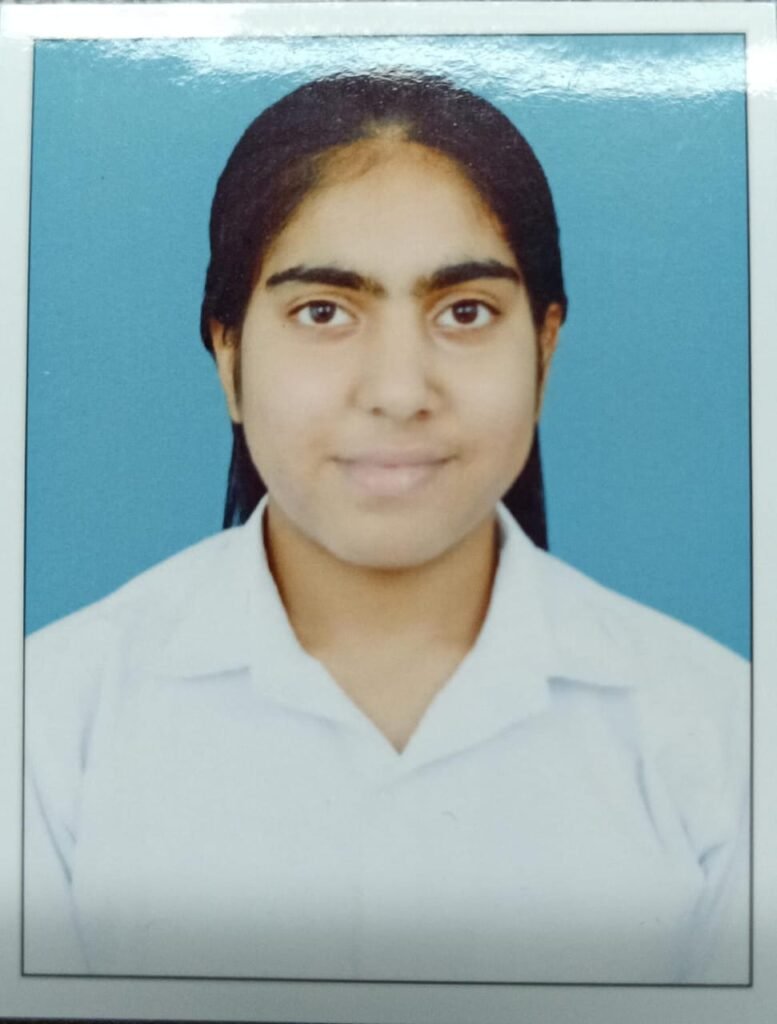
NAME-VANSHIKA SHARMA
CLASS-XI E
SCHOOL-DPS RANCHI