When the Voice Fell Silent, the Poet Began to Speak!
By Shruti Anindita
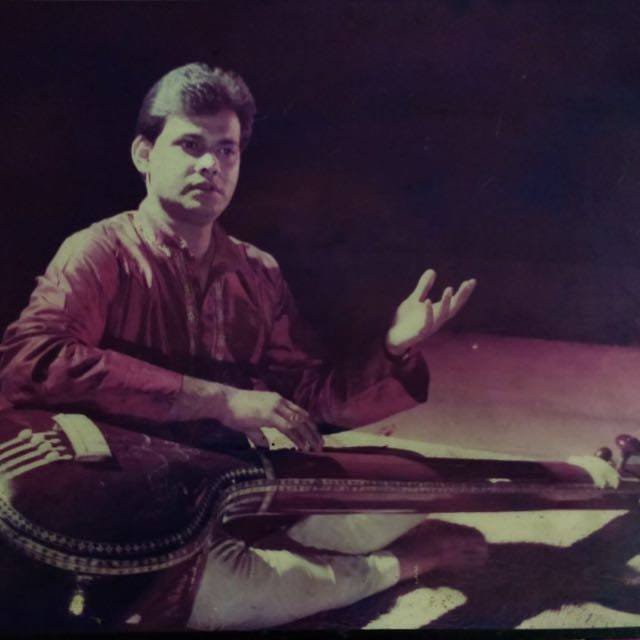
There are voices that entertain, voices that inform, and then there are voices that become part of people’s lives. Mukul Varma’s is one such voice.
For millions across undivided Bihar, in an era before satellite television transformed the landscape of entertainment, his voice announced the beginning of a new day. When Doordarshan was India’s only television channel, Mukul Varma became the first anchor of its morning transmission, bringing warmth, dignity and impeccable language into homes across the state. Long before Jharkhand came into existence and Ranchi was still a part of Bihar, he had already become a household name.
In 1986, Mukul Varma started Doordarshan’s iconic morning breakfast show, a programme that soon became a part of people’s daily lives. With his effortless style, warmth and command over language, he transformed a simple morning broadcast into a cherished ritual for viewers. He continued to host the show for more than a decade, becoming one of the most recognisable faces and voices of television in the region.
Yet, Mukul Varma’s story is not merely one of popularity. It is a story of legacy, resilience and the extraordinary power of reinvention.
Born in Bihar, Mukul’s early years were shaped by constant movement. His father, Shardanand Varma, was in a transferable job, and as a result, Mukul received his schooling from various schools across Bihar. These experiences exposed him to different places, people and cultures, enriching his understanding of language and human nature. Later, he studied at the prestigious Rajghat Basant School in Benaras, an experience that further shaped his personality and intellectual curiosity.
A defining turning point came when he joined Ramjas College. His years there opened new horizons and played a significant role in shaping his creative and literary sensibilities. It was during this period that his relationship with literature, expression and communication grew stronger, laying the foundation for the remarkable journey that would follow.
Mukul grew up in a home where books, literature and language were treasured. His father, Shardanand Varma, was an avid reader with an exceptional command over English, Urdu and Hindi. His mother, Indira Varma, was a graduate in Urdu is also a singer who has represented India at the National level. Together, they nurtured an environment where words were respected and ideas flourished. It was only natural that language became Mukul’s greatest strength.
As a young broadcaster, he possessed all the qualities that television audiences admired. His striking screen presence made him instantly recognisable, but it was his voice that made him unforgettable. Rich, expressive and effortlessly engaging, it carried an unmistakable warmth. His flawless diction, command over language and ability to breathe life into every announcement transformed routine broadcasts into memorable experiences. Whether introducing programmes or presenting songs, Mukul Varma had an uncanny ability to connect with viewers, making each person feel as though he was speaking directly to them.
For over three decades, he remained one of the most admired and respected broadcasters of the region. He inspired generations of young presenters, anchors and radio enthusiasts who looked upon him as the gold standard of broadcasting.
Then life demanded a different kind of courage.
Cancer entered his life with relentless force. Seven surgeries and multiple rounds of chemotherapy gradually took away the very instrument that had defined his identity—his voice. For someone whose life had been built around the spoken word, it was an unimaginable loss.
But Mukul Varma refused to let silence have the final word.
Instead of mourning what he had lost, he discovered what remained. He reached for a pen.
What could no longer be spoken found expression on paper. Silence transformed into poetry. Pain became reflection. Adversity became art.
Having survived cancer, Mukul emerged from this difficult chapter with a renewed sense of purpose. His poems speak of life in all its complexity—love and loneliness, hope and despair, memory and faith, struggle and triumph. They are deeply personal without ever being confined to the personal. Every poem carries the wisdom of someone who has endured life’s harshest tests and emerged with compassion, humility and an undiminished belief in the beauty of words.
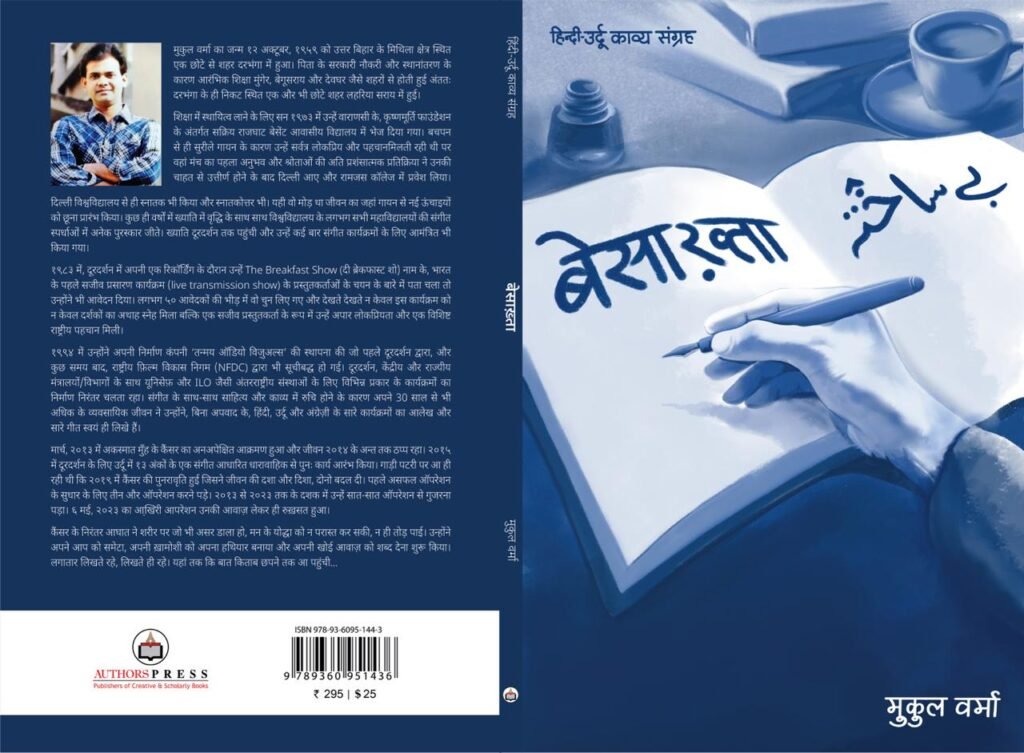
Recognising both the power of his poetry and the remarkable journey behind it, a publisher brought together his writings in Besakhta. The collection is more than a book of poems; it is the story of a man who discovered a new voice after losing the one the world had known for decades.
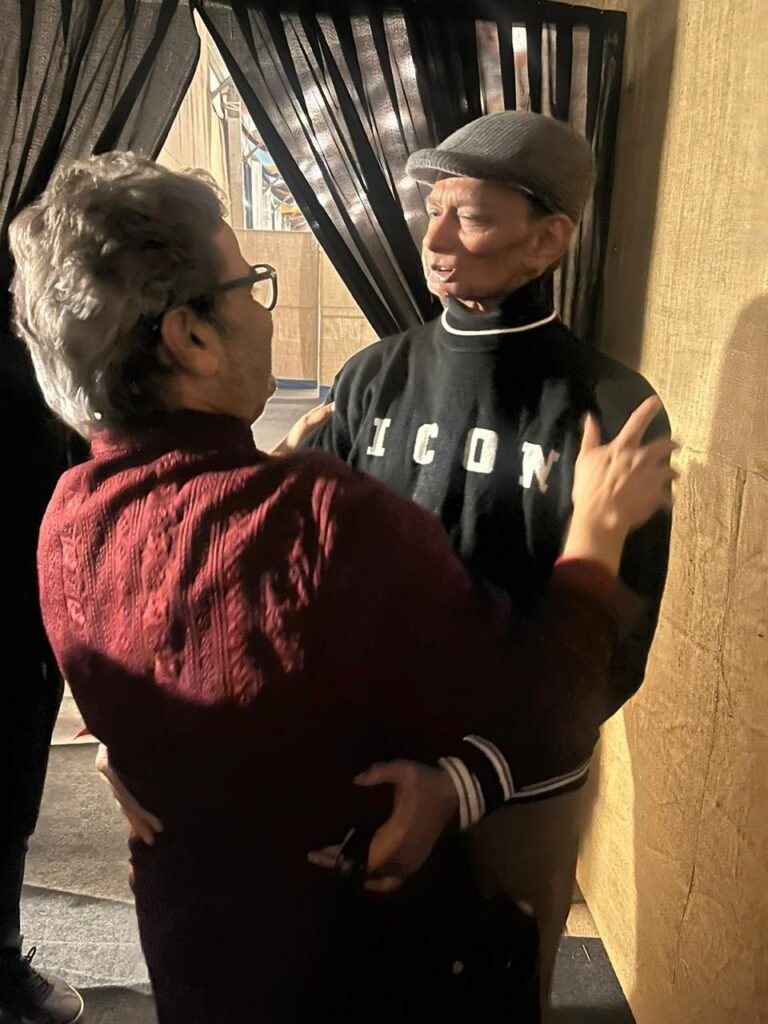
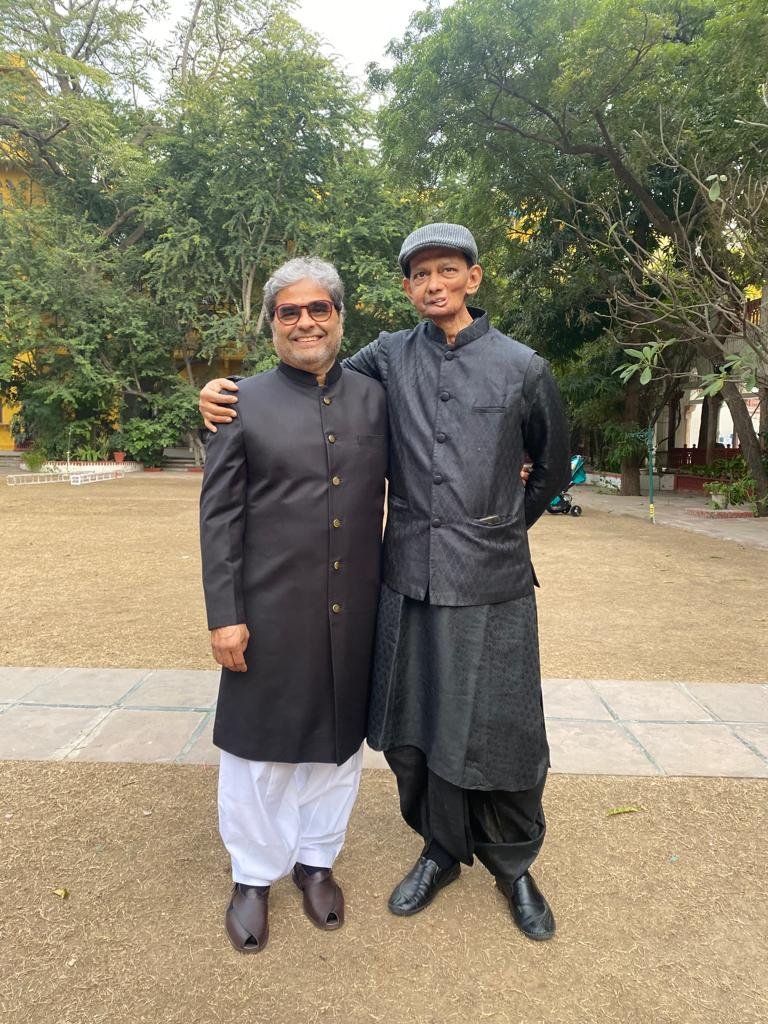
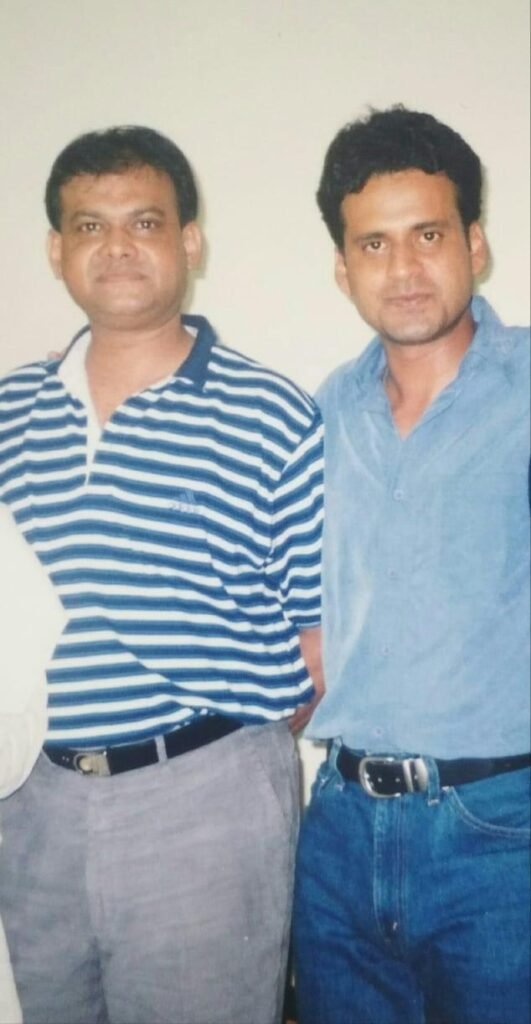
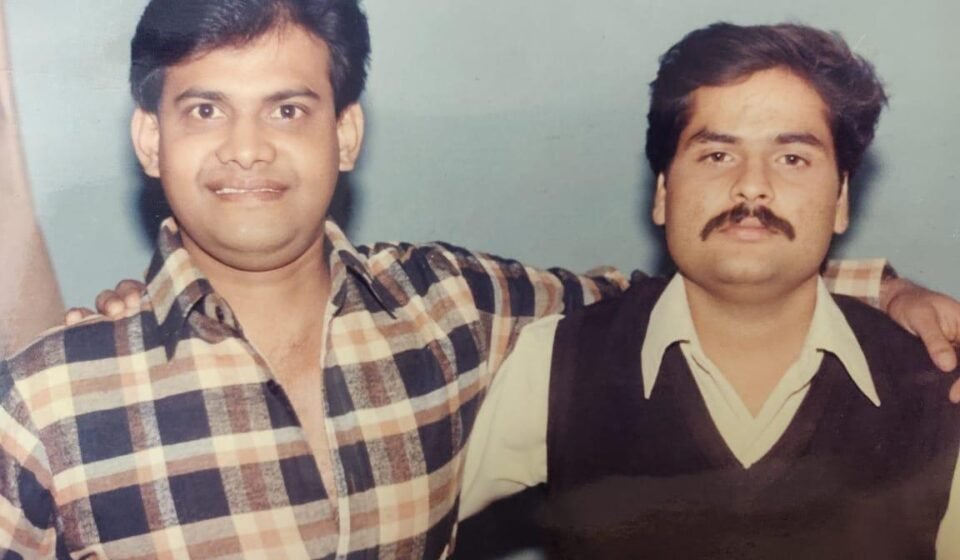
The book has received appreciation from some of the most respected names in Indian cinema and music. His lifelong friend, the acclaimed music director and filmmaker Vishal Bhardwaj, has admired his poetic expression and the emotional depth of his writing. Actor Manoj Bajpayee, who describes himself as a great fan of Mukul Varma, has also expressed his admiration for his work.
Today, Mukul Varma continues to inspire—not because he conquered illness, but because he chose creativity over despair, hope over helplessness and expression over silence. His journey reminds us that while life may alter the medium through which we communicate, it can never diminish the spirit that longs to connect.
For one generation, Mukul Varma will always be the unforgettable voice of Doordarshan.
For another, he is becoming a poet whose words resonate with equal depth.
Perhaps this is the beginning of another remarkable chapter in his creative journey—a chapter where the voice that once reached millions through a microphone now reaches hearts through poetry.
The microphone may have fallen silent, but the conversation continues—through every page of Besakhta, every verse he writes and every life he continues to touch.
Some voices are heard.
The rarest ones are felt.
Mukul Varma’s is one of them.
(Shruti Anindita is a Film Maker, Producer, Director and a Writer. She believes in dreams and the universe makes it a reality!)