Emergency: The Darkest Chapter of Indian DemocracyBy Babulal Marandi
India’s democratic journey, born from the struggle against colonial rule, faced its gravest test on the midnight of June 25, 1975. Then Prime Minister Indira Gandhi imposed Emergency under Article 352, citing “internal disturbance.” What followed was a nineteen‑month period that shook the foundations of democracy, curtailed civil liberties, and scarred the nation’s collective memory.
On June 26, Indira Gandhi addressed the nation via All India Radio, assuring citizens there was “no need to panic.” Yet, the proclamation marked the onset of authoritarian rule. Opposition leaders including Jayaprakash Narayan, Morarji Desai, Atal Bihari Vajpayee, Lal Krishna Advani, and George Fernandes were arrested overnight. Even Congress leader Chandra Shekhar was jailed for dissent.
The press was muzzled under strict censorship. Newspapers required prior government approval before publication, and fundamental rights were suspended. Citizens found themselves stripped of freedoms, while the executive grew unchecked.
Indira Gandhi further consolidated power through the 42nd Constitutional Amendment, one of the most sweeping and controversial in history. Critics dubbed it a “mini Constitution.” The Shah Commission later concluded that the Emergency was not a response to genuine national crisis but a calculated move to survive political turmoil after the Allahabad High Court invalidated Gandhi’s election.
The backdrop was turbulent. India faced economic distress—spiraling inflation, unemployment, and corruption. Student movements in Gujarat and Bihar gained momentum, while George Fernandes’s railway strike in 1974 paralyzed the nation. On June 12, 1975, Justice Jagmohanlal Sinha disqualified Gandhi from contesting elections for six years, pushing her into a political corner. Instead of resigning, she chose Emergency, centralizing authority in her hands.
The nineteen months that followed were marked by repression. Parliament’s tenure was extended, democratic processes curtailed, and over one lakh people imprisoned under MISA and DIR. Jayaprakash Narayan and other leaders endured long incarceration. Under Sanjay Gandhi’s influence, a coercive sterilization campaign unfolded, with millions subjected to forced procedures under administrative and police pressure.
When elections were finally held in March 1977, the people delivered their verdict. Congress was ousted from power, and Indira Gandhi herself lost from Rae Bareli. The episode reaffirmed that democracy, though battered, could not be extinguished.
Prime Minister Narendra Modi, in The Emergency Diaries, reflected on his experiences as a young RSS pracharak during that period. He described it as a defining lesson in the importance of safeguarding democratic values.
Today’s India is not the India of 1975. Institutions are stronger, citizens more aware of their rights. Yet, the Emergency remains a permanent reminder: democracy survives not merely through constitutional provisions but through accountability, civil liberties, and vigilance against authoritarianism.
The Emergency of June 25, 1975 stands as the darkest chapter in India’s democratic history—a warning etched in memory, reminding future generations of the perils of unchecked power.
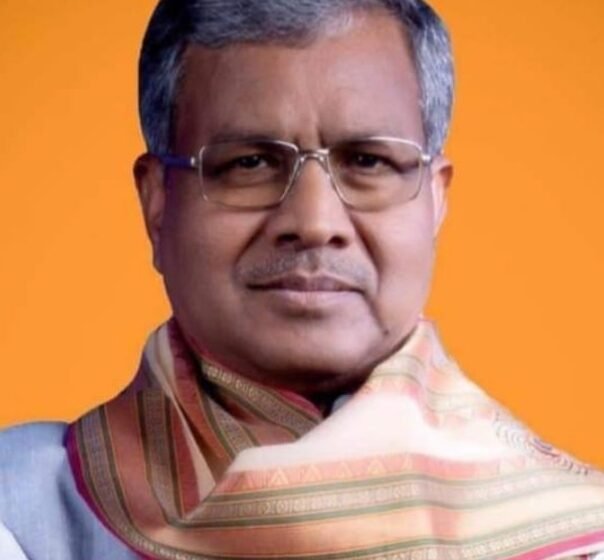
A senior BJP leader Babulal Marandi is Leader of Opposition, Jharkhand Assembly and former CM of Jharkhand.