
New Normal: Disrespecting the Armed Forces
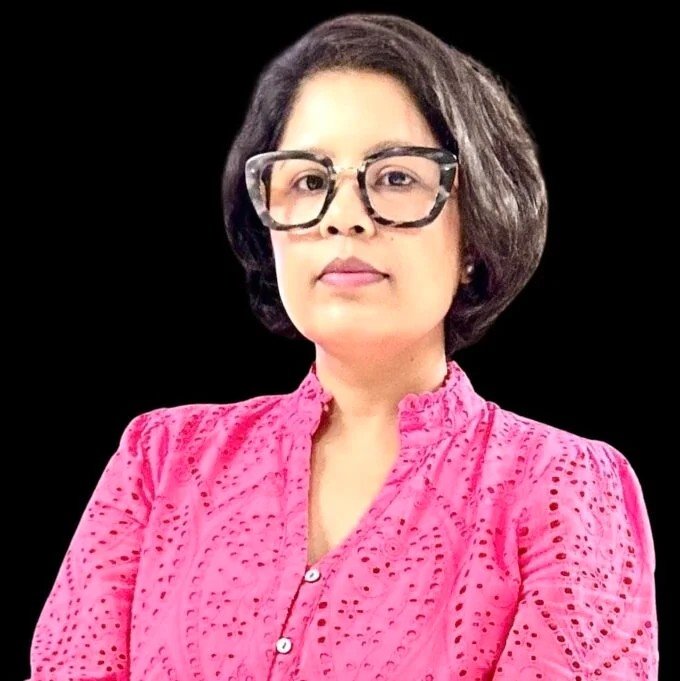
By Pampi Rani Das
In today’s digital age, a short video, an emotional post, or a provocative comment can reach millions within minutes. Social media has given citizens an extraordinary platform to express opinions, question authority and hold institutions accountable. This is an essential part of democracy. But freedom comes with responsibility—the responsibility to understand facts, respect the law and avoid turning incomplete information into public outrage.
Recent incidents involving viral videos and public interactions with members of the Armed Forces, including those emerging from sensitive regions such as Ladakh, raise an important question: Have we started confusing freedom of expression with the freedom to insult those performing their official duties?
The distinction matters.India is a democracy, and every citizen has the right to express an opinion. Criticism of government policies, security arrangements or institutional functioning is legitimate. But criticism should be factual and responsible. Insulting, abusing, threatening, making derogatory comments or deliberately humiliating personnel performing their duties is something entirely different.
The Armed Forces operate in circumstances most civilians will never fully experience. Soldiers may be stationed in remote, high-altitude, harsh or strategically sensitive locations. Their responsibilities extend beyond combat. They maintain security, assist during natural disasters, support rescue operations and protect vital national interests.
Civilian restrictions in sensitive areas can sometimes appear inconvenient. But security protocols are rarely created without reason. A location that looks ordinary may have strategic significance, and an instruction from security personnel may be connected to risks or information that the public cannot see.
A few seconds of video cannot always explain an entire incident. Social-media clips may be recorded from one angle, edited for dramatic effect or accompanied by captions that do not accurately describe what happened before or after the recording. Once such content becomes viral, people often form conclusions before knowing the complete story.
A person sees a video, becomes angry, shares it and adds an emotional caption. Thousands react to the caption rather than the facts. Within hours, a complicated situation becomes a simple story of “citizens versus the Army.” Reality may be far more complicated.
Another fact is often forgotten: members of the Armed Forces are citizens too. They pay taxes, have families, responsibilities and the same dignity as every other citizen. Wearing a uniform does not remove their basic human rights.
The Uniform Is Earned, Not Purchased. Perhaps society needs to understand what the military uniform truly represents.To someone outside the system, it may appear to be simply a uniform. For the person wearing it, however, it represents years of discipline, training, hardship, sacrifice and responsibility. The uniform is earned; it is not purchased. No amount of money can buy the honour and responsibility associated with earning the right to wear it.
Behind that uniform are countless hours of physical training, mental preparation, difficult postings, sleepless nights and separation from family. It may mean spending important years away from parents, spouses and children. It means accepting a responsibility to place duty before personal comfort.
The uniform carries the blood, sweat, hard work, discipline, courage and sacrifices of those who have earned it. It represents a commitment to stand between danger and the people of the nation.
This does not place anyone in uniform above the law. But it does mean that the uniform deserves a basic level of dignity and respect.
Accountability Must Have Consequences.Freedom of speech cannot become a shield for deliberate harassment, threats, provocative acts or conduct intended to humiliate personnel performing their duties.
There should be strict and effective action, within the framework of law, against those who deliberately abuse, threaten, provoke or unlawfully target Armed Forces personnel. Such action must be fair, proportionate and based on due legal process.
Ordinary criticism must remain protected in a democracy. But deliberate intimidation, violence, targeted harassment or unlawful provocation should not be normalised simply because it happens in front of a camera or is uploaded to social media.
If insulting a soldier becomes an easy way to gain followers, generate controversy or go viral, society has a serious problem. Going viral should never become a reward for disrespect.
At the same time, respecting the Armed Forces does not mean blindly supporting every individual action. Soldiers, like everyone else, are subject to laws and regulations. If a member of the Armed Forces genuinely behaves improperly, citizens have every right to seek clarification or use appropriate legal and institutional channels.
Accountability and humiliation are not the same thing.A democracy becomes stronger when citizens can question institutions without destroying respect for the individuals serving within them. We should be able to disagree without abusing, complain without threatening and demand accountability without spreading unverified allegations.
This is particularly important for Gen Z and young digital creators. Young people possess enormous communication power. A smartphone can turn an ordinary individual into a publisher with a potentially global audience. This is an extraordinary opportunity—but influence must come with responsibility.
Going viral should never be more important than being accurate. Before posting, creators should ask: Do I know the complete context? Is the information verified? Could this post unfairly damage someone’s reputation? Am I encouraging discussion, or simply provoking anger?
These questions do not restrict freedom. They strengthen it.
Ultimately, this is not about choosing between civilians and soldiers. Both belong to the same nation. A civilian asking questions is not an enemy. A soldier enforcing a security protocol is not automatically an oppressor. A young person expressing an opinion is not necessarily disrespectful. But neither should a uniformed person be treated as a target for online humiliation simply because someone wants attention.
India’s strength lies in its democracy and its ability to disagree while remaining united. Freedom of speech is precious, but freedom without responsibility can become a tool for misinformation and hostility.
The new normal should therefore not be louder outrage, faster accusations or more sensational videos. It should be fact-checking before forwarding, understanding before judging and respect before reacting.
Respecting the Armed Forces does not mean surrendering our right to question. It means understanding the difference between legitimate criticism and personal insult. It means recognising that national security sometimes requires restrictions that may not be immediately visible to the public.
Most importantly, it means remembering that behind every uniform is a citizen, a family member and a human being carrying an extraordinary responsibility
Gen Z has the power to shape public opinion like no generation before it. Let that power challenge injustice, expose wrongdoing, promote awareness and encourage informed debate—not disrespect for those who serve.
A mature society does not measure democracy by how aggressively it attacks institutions, nor patriotism by how loudly it praises them. It measures both by the ability to respect service, protect truth and demand accountability within the framework of law.
The Armed Forces do not ask for immunity from criticism. They deserve something much simpler: fairness, dignity and respect for the uniform they have earned through blood, sweat, sacrifice, discipline and service.That is the balance India needs—and that is the responsibility we all share
Pampi Rani Das is an entrepreneur, philanthropist, and writer with a Master’s degree in Mass Communication and Journalism.