Population must become Jharkhand’s strength, not a burden: Ansari
State to strengthen Healthcare infrastructure, expand family planning services
Surendra Soren
Ranchi
Health Minister Dr. Irfan Ansari on Saturday said the state government is working to strengthen healthcare infrastructure and ensure quality medical services reach the last person in society. Addressing a sensitisation workshop organised on the occasion of World Population Day in Ranchi, the minister said efforts were underway to improve the state’s health system through new medical institutions, specialist services and expanded maternal healthcare facilities.
Dr. Ansari said Jharkhand’s healthcare burden is currently concentrated on the Rajendra Institute of Medical Sciences (RIMS), and discussions have been held with the Union Health Minister regarding the establishment of an All India Institute of Medical Sciences (AIIMS) in Ranchi. He also said the proposed RIMS-2 project would be operationalised soon to strengthen tertiary healthcare in the state.
The minister said the government was committed to upgrading healthcare facilities across Jharkhand, with special emphasis on ensuring quality treatment for people living in remote areas. He added that issues concerning Sahiyas (Accredited Social Health Activists) had also been raised with the Union Health Ministry, including a demand for 400 small ambulances to improve healthcare access in rural regions.
Dr. Ansari announced that investors were being invited to establish nursing colleges in the state to address the shortage of trained healthcare professionals. He also said the government plans to set up dedicated Caesarean section centres in every Sadar Hospital, staffed with specialist doctors, while efforts are being made to establish medical colleges in all districts.
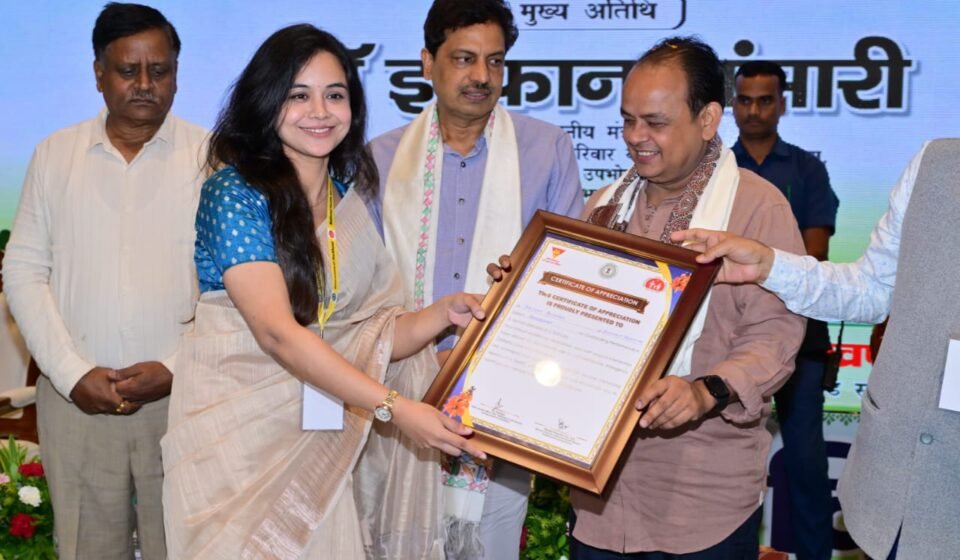
On the occasion, the Health Minister unveiled awareness posters on Antara, contraceptive implants and Postpartum Family Planning (PPFP). Doctors, Sahiyas, Auxiliary Nurse Midwives (ANMs) and other healthcare personnel who had made outstanding contributions to family planning and public health programmes were felicitated during the event.
Highlighting the challenges posed by population growth, Dr. Ansari said the government was implementing several family planning and population stabilisation programmes. He said the objective was not only to control population growth but also to ensure better healthcare, employment opportunities and overall development. Referring to the recent Investors’ Conclave in New Delhi, he said the state’s vision under Chief Minister Hemant Soren had generated investment interest in the healthcare sector as well.
Additional Chief Secretary, Health, Ajay Kumar Singh, said population growth should be viewed as an opportunity rather than a challenge by developing human resources through education, skill development and improved healthcare. He urged health workers to intensify efforts to reduce infant mortality and malnutrition while creating greater awareness about family planning, particularly in rural areas.
Singh said the Health Department was introducing new technologies, including teleradiology services at Sadar Hospitals, and planned to establish dedicated 100-bed Caesarean section centres in every district hospital. He added that the government aims to extend C-section facilities to Community Health Centres (CHCs) and sub-centres over the next two years.
National Health Mission Campaign Director Shashi Prakash Jha said India’s growing population made quality healthcare and family planning increasingly important. He noted that improvements in healthcare services had helped reduce mortality rates and stressed that greater public awareness would play a key role in achieving population stabilisation and sustainable socio-economic development.
Ranchi Civil Surgeon Dr. Prabhat Kumar and State Nodal Officer Dr. Pushpa also addressed the workshop, highlighting the need for skill development among the youth, delayed marriages, responsible family planning and sustainable use of resources. Doctors and health experts shared their experiences and discussed measures to strengthen population stabilisation programmes in the state.
The workshop was attended by senior officials of the Health Department, civil surgeons, doctors, public representatives and healthcare workers from across Jharkhand.