The Marathon Shouldn’t End at the Finish Line: A Call for Complete Wellness
By Sanghmitra Singh
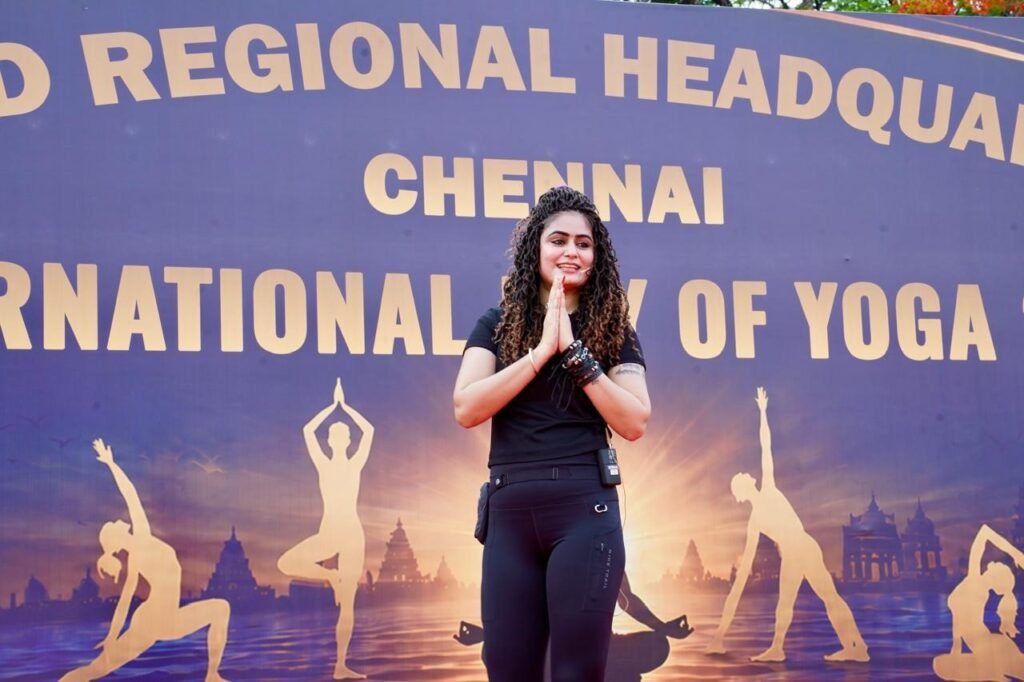
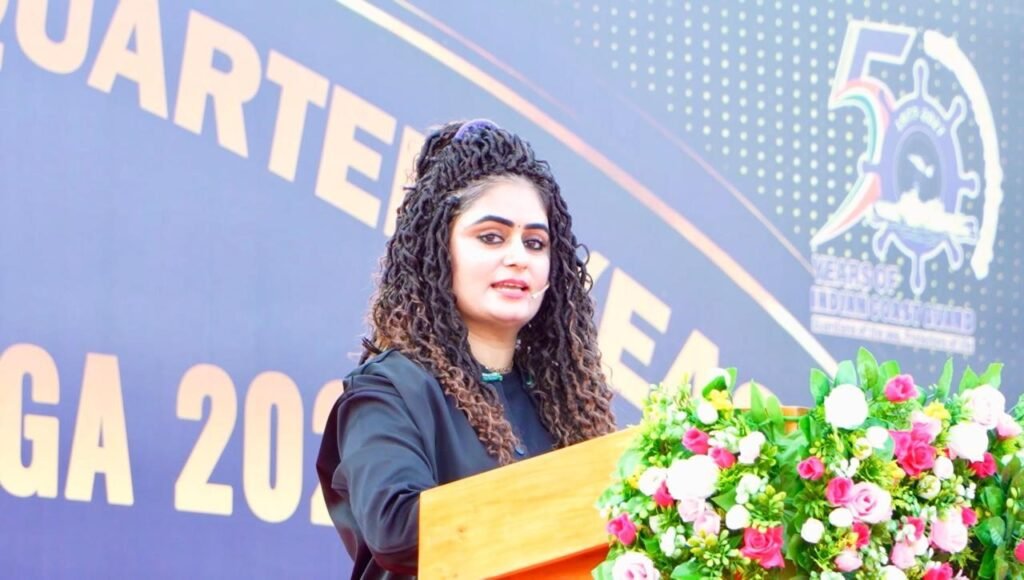
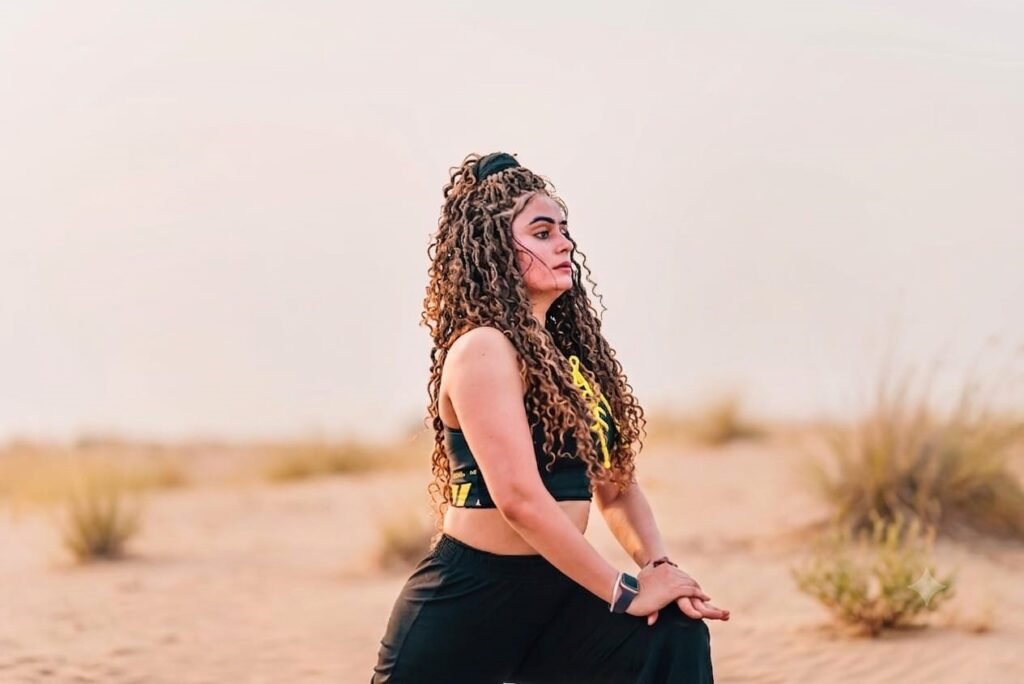
Yoga Guru | Level 3 Fitness Coach | Founder, YogMitra Fitness Club (Dubai & India)
Every weekend, thousands of enthusiastic runners gather before sunrise to participate in marathons. While a few are seasoned athletes, the overwhelming majority are recreational runners, working professionals, entrepreneurs, students, homemakers, and fitness enthusiasts who view the marathon as a weekend challenge and a celebration of health.
Before the race begins, participants devote a few minutes to warming up. They prepare their muscles, joints, and nervous system because they understand that the body performs best when it is properly activated.
However, once the marathon is over, a surprising pattern unfolds.
Participants collect their medals, pose for photographs, enjoy refreshments, and head home.
The event concludes at the precise moment when the body requires the greatest attention.
The finish line should never be the finish of wellness.
The Missing Chapter in Every Marathon
Running a marathon places enormous demands on the cardiovascular system, muscles, joints, connective tissues, and the nervous system. Every stride challenges the body’s endurance, resilience, and mental strength.
Yet, most participants return home immediately after completing the race, allowing fatigue and muscle tightness to settle in. By Monday morning, many experience stiffness, soreness, reduced mobility, mental fatigue, and lower productivity. These after-effects are often accepted as inevitable, but they don’t have to be.
Recovery should not be an afterthought. It should be an integral part of every marathon.
A Simple Addition That Can Transform Every Marathon
Imagine if every marathon concluded with a 30-minute guided wellness session.
Not another competition.
Not another physical challenge.
A celebration of recovery.
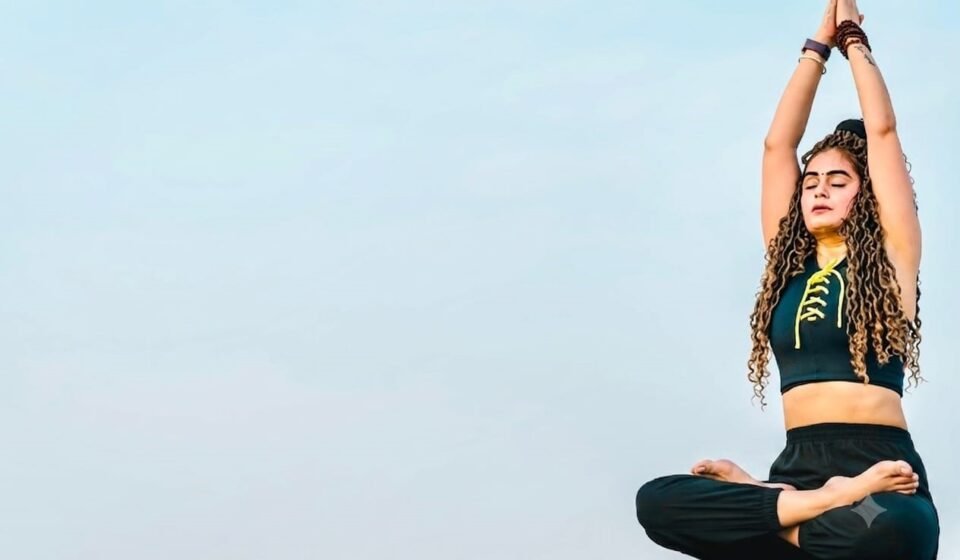
The session could begin with 15 minutes of Power Techno Yoga—a dynamic blend of yoga postures performed to uplifting rhythmic music. This practice allows participants to gently stretch every major muscle group, improve circulation, restore flexibility, enhance joint mobility, and gradually release the physical strain accumulated during the run.
As the body begins to recover, the session transitions into 15 minutes of meditation, clap therapy, and laughter therapy.
Guided meditation helps slow the breath, calm the nervous system, and bring the body into a state of deep relaxation.
Clap therapy stimulates numerous acupressure points in the palms, encourages healthy circulation, and fills the body with positive energy through rhythmic movement.
Laughter therapy brings people together in a joyful environment, promotes deeper breathing, eases emotional stress, and creates an overwhelming sense of happiness after physical exertion.
Instead of leaving with exhausted muscles and an overworked nervous system, participants return home feeling refreshed, relaxed, and re-energised.
Modern Lifestyle Demands More Than Exercise
The modern lifestyle has silently altered the way our bodies function.
Long working hours, prolonged sitting, excessive screen time, poor posture, irregular eating habits, inadequate sleep, chronic stress, and minimal daily movement have become common features of life.
These habits gradually disturb the body’s natural rhythm, affecting both the hormonal and nervous systems. Constant stress can reduce the body’s ability to recover efficiently, disrupt healthy sleep, lower energy levels, and leave individuals feeling physically and mentally drained.
At the same time, prolonged inactivity contributes to poor posture, spinal misalignment, tight hips, weakened core muscles, stiff shoulders, neck pain, lower back discomfort, reduced flexibility, and restricted movement in both men and women.
Many people exercise regularly but overlook one essential component of fitness recovery.
True wellness is achieved not only by challenging the body but by allowing it to restore, rebalance, and heal.
Recovery Is Where the Real Transformation Happens
Professional athletes understand that recovery is just as important as training.
It is during recovery that muscles repair, flexibility improves, the nervous system settles, and the body adapts to physical stress.
The same philosophy should extend to recreational runners.
Whether someone completes a 5-kilometre run or a full marathon, recovery deserves equal importance.
A structured 30-minute wellness session immediately after the race can significantly enhance how participants feel for the rest of the weekend and throughout the following week.
Rather than carrying stiffness, fatigue, and soreness into Monday, they begin the week with greater mobility, improved energy, mental clarity, and a sense of overall well-being.
A New Vision for Marathon Events
Imagine thousands of marathon finishers gathering together once the race concludes.
Music begins.
Bodies move in harmony through fifteen minutes of Power Techno Yoga.
The pace gradually slows.
The crowd settles into meditation.
Hands clap rhythmically in unison.
The field fills with shared laughter.
The atmosphere transforms from one of exhaustion into one of celebration, recovery, mindfulness, and collective wellness.
Participants do not simply leave with medals around their necks.
They leave with relaxed muscles, calmer minds, renewed energy, and a body better prepared for the days ahead.
This is the future marathon culture deserves.
Beyond the Medal
The success of a marathon should not be measured solely by the distance covered or the number of finishers.
Its true success lies in how participants feel when they leave the venue and how well their bodies serve them in the days that follow.
Fitness is not merely about endurance.
It is about recovery.
It is about balance.
It is about creating harmony between physical strength, mental resilience, and overall well-being.
By integrating 15 minutes of Power Techno Yoga followed by 15 minutes of meditation, clap therapy, and laughter therapy, marathon organisers have an opportunity to transform every event into a complete wellness experience.
Because the greatest achievement is not simply crossing the finish line.
It is returning home healthier than when you arrived.
— Sanghmitra Singh
Yoga Guru | Level 3 Fitness Coach
Founder, YogMitra Fitness Club (Dubai & India)