XISS, ICMR-NITHR join hands for Study on tribal healthcare gaps
PNS
Ranchi
In a significant initiative aimed at improving healthcare access among vulnerable tribal communities, Xavier Institute of Social Service (XISS), Ranchi, and the Indian Council of Medical Research–National Institute of Tribal Health Research (ICMR-NITHR), Jabalpur, have signed a two-year Memorandum of Understanding (MoU) to undertake a major research project on healthcare delivery in tribal regions.
The project, titled “Identifying the Gaps and Challenges in Healthcare Delivery System in Tribal Areas: A Multicentric Study,” seeks to examine the existing healthcare infrastructure and service delivery mechanisms among Particularly Vulnerable Tribal Groups (PVTGs) in Jharkhand and develop evidence-based recommendations for policy interventions.
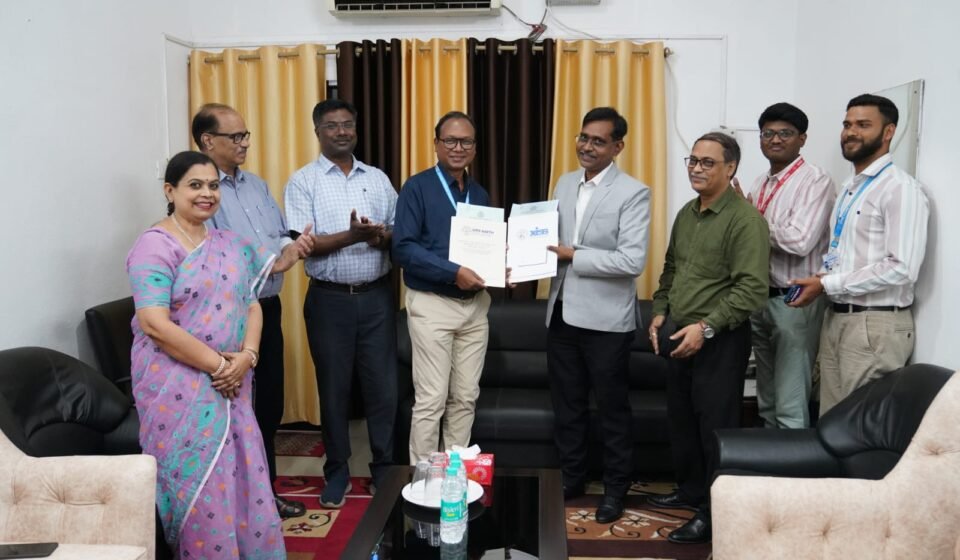
The MoU was signed by Dr Joseph Marianus Kujur SJ, Director of XISS Ranchi, and Dr Praveen Bharti, Director of ICMR-NITHR, Jabalpur. The signing ceremony was attended by Dr Kalyan Brata Saha, Scientist-G, and Abhishek Sharoff, Administrative Officer of ICMR-NITHR, along with Dr Amar Tigga, Dean Academics, XISS, and faculty members Dr Sant K. Prasad and Dr Uma Chatterjee from the Department of Research and Planning.
The study will focus on three PVTG communities in Jharkhand — the Birhor community in Hazaribagh district, the Asur community in Gumla district, and the Pahariya community in Pakur district. Researchers will assess the challenges faced by these communities in accessing healthcare services and identify critical gaps in the delivery system.
Speaking on the occasion, Dr Joseph Marianus Kujur described the collaboration as an important step toward strengthening evidence-based policymaking and advancing tribal health research. Dr Praveen Bharti emphasized the potential of the partnership to improve health outcomes among PVTGs while promoting collaborative research and academic publications.
Dr Kalyan Brata Saha, the Principal Investigator of the project, said the study would help identify healthcare bottlenecks in remote tribal areas and contribute to the development of practical strategies for enhancing healthcare service delivery in underserved regions.